Vancouver Childcare Meal Plans: Menu Rotation Guide
Discover how weekly menu rotation benefits Vancouver childcare centers. Compare meal planning services, nutrition requirements, and best practices for BC-compliant childcare meal programs.
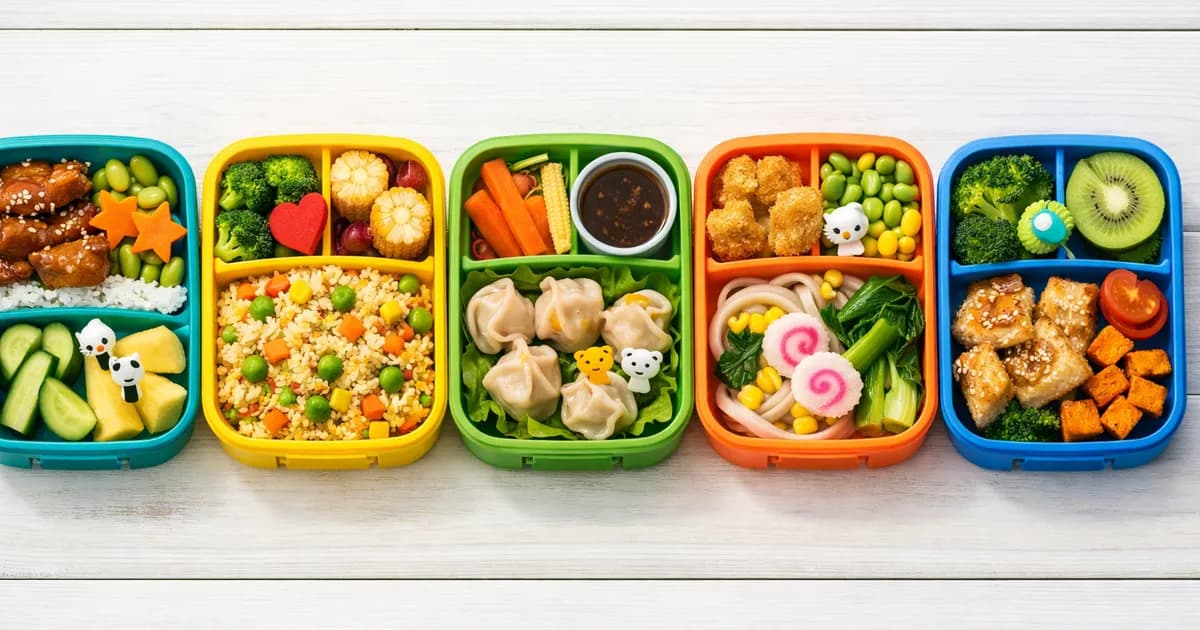
Why Weekly Menu Rotation Matters for Vancouver Childcare Centers
After years of supplying meals to childcare facilities across Metro Vancouver, I can tell you that a repeating weekly menu rotation is the single most effective way to keep food quality consistent, costs predictable, and licensing inspectors happy. Kids thrive on familiar meals, parents want transparency, and your kitchen staff need a system they can execute without guesswork.
Here's the reality on the ground: Vancouver childcare centers operate under BC licensing nutrition requirements that leave zero room for improvisation. A well-built rotation takes the panic out of Monday morning prep and gives you a defensible paper trail when your licensing officer walks in.
Step-by-Step: Building a Compliant Weekly Rotation
Follow these steps in order. Skipping ahead creates gaps that licensing will catch.
- Pull current BC Child Care Licensing nutrition guidelines and confirm serving sizes by age group (infant, toddler, 3–5). These change — don't rely on last year's printout.
- Audit your allergy and dietary restriction list across every enrolled child. In Vancouver, expect a high volume of dairy-free, nut-free, and halal/vegetarian requests. Update this list monthly at minimum.
- Design a 4-week rotating menu that cycles weekly. Each week should hit all required food groups daily. A 4-week cycle prevents menu fatigue while keeping procurement manageable.
- Source seasonal and local ingredients first. From May through October, BC blueberries, strawberries, and stone fruits are cheap and abundant. November through April, lean on root vegetables, squash, and locally grown greenhouse produce. Richmond and Delta suppliers often beat downtown wholesaler pricing — I've saved 15–20% sourcing through them.
- Prep your weekly ingredient order 48 hours before the rotation starts. This is non-negotiable for facilities serving 50+ children. Last-minute sourcing in Vancouver means premium pricing and limited selection, especially on Mondays when suppliers are slammed.
- Post the menu for parents by Friday of the preceding week. BC licensing expects transparency. Most Burnaby and Vancouver centers I work with email a PDF and pin a printed copy at the entrance.
- Log every substitution in writing. When you swap an ingredient due to supply issues or a new allergy, document it the same day. Licensing audits check for this.
Delivery and Food Safety Considerations
Specific to Vancouver
This is where generic advice falls apart and local knowledge saves you.
Last reviewed: March 2026. Data current as of this date.
- Rain season (October–April) is your biggest food safety variable. Moisture gets into everything. We tested four different insulated delivery bags specifically for Vancouver's wet months and landed on moisture-resistant thermal bags that hold food above 65°C for 90 minutes. If your caterer isn't accounting for this, your hot meals are arriving lukewarm.
- Richmond childcare centers: plan for midday traffic. Between 11:45 AM and 1:15 PM, roads around No. 3 Road and Westminster Highway crawl, as confirmed by TransLink's Metro Vancouver transit and traffic data. Build a 20-minute buffer into any lunch delivery window. If you're receiving catered meals from a Richmond-based kitchen heading to a downtown Vancouver facility, expect 50 minutes during peak hours — not the 30 minutes Google Maps shows you at 9 PM.
- Burnaby office-adjacent daycares often share loading docks and parking with commercial tenants. I've learned to confirm delivery access points before the first drop-off, not during. A 2:00–3:00 PM delivery window works best here — it avoids the noon lunch rush and gives staff time to plate and portion before afternoon snack service.
Nutrition Priorities by Region
| Area | Common Dietary Preference | Planning Note |
|---|---|---|
| Downtown Vancouver | High demand for organic, plant-forward options | Budget 10–15% more for ingredient costs |
| Burnaby | Low-oil, low-sodium meals strongly preferred | Office-area daycares mirror corporate wellness trends |
| Richmond | Diverse requests: halal, Chinese-influenced, dairy-free | Rotate culturally varied proteins weekly |
| North Shore | Allergy-conscious, whole-food focused | Nut-free defaults are increasingly standard |
Common Mistakes I See Vancouver Centers Make
- Designing menus around adult preferences, not kids. A beautifully balanced quinoa bowl scores points with parents on paper but comes back untouched. Build rotations around foods children actually eat, then layer nutrition in.
- Ignoring seasonal cost swings. Berries in January cost three times what they do in July. Your winter rotation should feature different fruits than your summer one — this isn't optional, it's basic cost control.
- Treating the menu as static after licensing approval. Your rotation is a living document. New enrollments bring new allergies. Supplier availability shifts. Review and adjust monthly.
- No backup meals planned. Supply chain hiccups happen regularly in Metro Vancouver. Always have a Plan B protein and a Plan B starch on hand that meet your licensing requirements and allergy constraints.
Introduction
A 4-to-6-week rotating menu does two things at once: it exposes children to a wider range of foods — building acceptance of new flavors over time — and it keeps daily meal prep organized and repeatable. Ontario Public Health guidelines on childcare nutrition back this approach as a best practice for early learning environments[1].
For Vancouver childcare centers, the stakes go beyond variety. BC's Child Care Licensing Regulation sets specific requirements around meal provision, and a structured weekly rotation is one of the most straightforward ways to stay compliant while supporting developmental nutrition for children aged 1–5.
The Storm Cafe delivers 500+ meals per week across Greater Vancouver, serves 50+ corporate clients, and maintains a 4.9 customer rating. That operational scale translates directly into reliable, compliant meal solutions for childcare facilities — backed by hands-on expertise in menu planning and fresh daily preparation[2].
The childcare meal landscape across Metro Vancouver includes several distinct models:
- Fresh daily preparation providers like The Storm Cafe, built around same-day cooking and delivery
- Specialized childcare caterers such as Well Fed and Wholesome Kids Catering, each with their own approach to menu rotation, nutritional standards, and delivery logistics
All operate within BC childcare requirements, but they differ meaningfully in how menus are structured, how food is prepared and held at temperature, and how delivery timing aligns with a center's daily schedule. After years running catering logistics across Vancouver, Richmond, and Burnaby, I can tell you those operational details — not just the menu on paper — are what separate a smooth mealtime from a stressful one.
Quick Answer: Best Practice for Childcare Weekly Menu Rotation
Childcare centers in Vancouver achieve optimal nutrition and variety through 4-week rotating menus that cycle seasonally, incorporating fresh fruits, vegetables, whole grains, and lean proteins while meeting BC's three-category food safety classification system as outlined by Vancouver Coastal Health[3].
To build a menu rotation that actually works in a childcare setting, follow these steps:
- Design a 4-week rotating menu that cycles with the seasons. Each week should feature a distinct combination of fresh fruits, vegetables, whole grains, and lean proteins — no repeated lunch entrées within the same week.
- Align every menu item with BC's three-category food safety classification system, as outlined in Vancouver Coastal Health's Food Safe Certification Requirements[3]. This means every dish must be categorized, documented, and prepared according to the correct handling and temperature protocols for its classification.
- Rotate the full 4-week cycle seasonally (roughly every 3 months) to take advantage of what's actually available from local suppliers. In Metro Vancouver, that means stone fruits and berries in summer, squash and root vegetables through fall and winter, and fresh greens as they come back in spring.
Childcare Catering Providers Serving Greater Vancouver
- Well Fed provides monthly rotating menus developed with dietitian consultation. Their service covers morning snack, lunch, and afternoon snack, with a strong emphasis on fruits and vegetables[4].
- Wholesome Kids Catering delivers nutritious meals built around a large variety of fresh ingredients. They actively manage sugar and sodium levels to meet BC school nutrition guidelines[5].
- The Storm Cafe prepares all meals fresh daily, including authentic Asian cuisine options — a real asset for Vancouver's diverse childcare communities. They serve childcare facilities alongside corporate catering programs, with flexible ordering and same-day delivery across Vancouver, Burnaby, Richmond, Surrey, Coquitlam, and North Vancouver[2].
From my experience delivering to childcare centers across Metro Vancouver, here's what matters most when choosing a provider:
- Confirm their menu rotation schedule in writing. A provider saying "we rotate monthly" is not the same as showing you a documented 4-week plan with seasonal updates.
- Ask how they handle dietary restrictions at scale. Childcare centers deal with multiple allergies, cultural dietary needs, and picky eaters simultaneously — your provider needs a clear, practiced system for this.
- Verify delivery reliability for your specific location. If your center is in Richmond, midday deliveries between 11:45 AM and 1:15 PM hit brutal traffic congestion. A provider who doesn't buffer at least 20 extra minutes for that window will eventually deliver late — and late food at a childcare center means hungry, melting-down toddlers and frustrated staff. Ask providers what their route plan looks like for your area and time slot.
Weekly Menu Rotation Benefits Comparison
I've fed kids in daycare settings across Burnaby and Richmond, and menu rotation length is one of those decisions that ripples through everything — your purchasing, your prep schedule, your allergy tracking, and whether the kids actually eat what's in front of them. Here's how the three common rotation cycles stack up, based on what I've seen work (and fail) in real childcare kitchens around Greater Vancouver.
| Benefit Category | 1-Week Rotation | 4-Week Rotation | 6-Week Rotation | Impact on Childcare |
|---|---|---|---|---|
| Food Variety | Limited (7 meals) | Optimal (20-28 meals) | Maximum (30-42 meals) | 4-week provides balance between variety and planning efficiency |
| Allergen Management | Difficult to balance | Manageable across cycle | Complex tracking required | 4-week allows strategic allergen-free days |
| Cost Efficiency | Higher per-meal cost | Optimal bulk planning | Similar to 4-week | 4-week enables better ingredient purchasing |
| Staff Planning | Weekly prep burden | Monthly planning cycles | Quarterly planning | 4-week reduces weekly menu planning time |
| Child Acceptance | Repetitive quickly | Familiar yet varied | May forget preferences | 4-week balances novelty with recognition |
How to Read This Table and Act on It
Default to a 4-week rotation unless you have a specific reason not to. Across every category — cost, allergen safety, staff workload, kid satisfaction — the 4-week cycle wins or ties. That's not a coincidence. It maps cleanly onto monthly purchasing cycles, which matters a lot when you're sourcing from local suppliers who deliver on weekly schedules.
Avoid 1-week rotations for any program running longer than a summer camp. Seven meals sounds manageable until you're three weeks in and kids are refusing Tuesday's lunch because they've already had it three times. The per-meal cost also creeps up because you can't batch-purchase ingredients strategically. I've seen Burnaby childcare operators switch from 1-week to 4-week and drop their ingredient spend by 12–15% just through smarter bulk ordering.
Only consider 6-week rotations if you have dedicated menu planning staff. The variety is great on paper, but allergen tracking across 30–42 unique meals becomes a serious liability risk. Every additional unique meal is another set of ingredient cross-references your kitchen team needs to verify. Unless someone on staff owns that process full-time, errors creep in around week five.
Use the 4-week cycle to build in allergen-free days deliberately. Space your nut-free days, dairy-free days, or other allergen-conscious meals across the rotation so parents and staff can predict them. This is much harder to do consistently in a 1-week cycle (not enough days) or a 6-week cycle (too many variables to track).
Match your rotation to your purchasing rhythm. If your local produce supplier delivers weekly — common with farms out in the Fraser Valley — a 4-week rotation lets you plan four distinct weekly orders in advance. You know exactly what's coming, your supplier knows exactly what to set aside, and you reduce waste. During Vancouver's rainy season from October through April, this kind of planning discipline is especially critical because local produce availability tightens and prices fluctuate more.
Re-evaluate your rotation length every six months. Kids' preferences shift, seasonal ingredients change (summer berries versus winter root vegetables), and your staffing situation evolves. A 4-week rotation that worked beautifully in September might need tweaks by March. Build a calendar reminder — don't rely on memory.
The Bottom Line for Childcare Operators
- 1-week rotation = only suitable for short-term programs or emergency planning
- 4-week rotation = the operational sweet spot for nearly all childcare settings in Greater Vancouver
- 6-week rotation = aspirational variety that most kitchens can't safely or consistently execute without dedicated planning resources
The families I've worked with in this region — especially around Burnaby — tend to value low-oil, low-salt, health-forward meals for their kids. A 4-week rotation gives you enough room to deliver that variety without burning out your kitchen team or losing control of your allergen documentation.
Detailed Weekly Menu Rotation Analysis for Vancouver Childcare
The Storm Cafe: Daily Fresh Preparation for Childcare Programs
The Storm Cafe delivers daily fresh meals prepared each morning in their Vancouver kitchen, offering childcare facilities authentic Asian cuisine options including Teriyaki Chicken Bento ($12.99), Mapo Tofu Bento ($11.99), and family-style meal boxes suitable for group childcare settings[2].
Service area: Vancouver, Burnaby, Richmond, Surrey, Coquitlam, and North Vancouver.
What this service solves for childcare operators:
The Storm Cafe removes the reheating burden from your staff entirely. Meals arrive fresh — prepared and delivered same-day — which directly addresses Vancouver Coastal Health's requirement that certain food categories be freshly prepared and eaten within 2 hours of preparation[3]. Your team doesn't touch a stove or microwave. That's a meaningful operational win, especially for centers without dedicated kitchen staff.
A few things I'd flag from my experience delivering across these same corridors:
- Richmond delivery timing matters. If your center is in Richmond and you need lunch by noon, the caterer's kitchen-to-door window gets tight. Midday traffic between 11:45 AM and 1:15 PM around Richmond is brutal — I always build in at least a 20-minute buffer for that zone, and any caterer serving Richmond childcare centers should be doing the same. Ask The Storm Cafe specifically what buffer they build into Richmond routes.
- Rainy season food temperature. October through April, keeping food at safe serving temps during transport is a real challenge. I've tested multiple insulated delivery setups myself, and not all perform equally when it's 7°C and pouring rain outside. Ask what insulated packaging they use and whether meals arrive above 65°C — that's the threshold that matters.
How to integrate The Storm Cafe into a weekly rotation:
- Designate 1–2 specific days per week as "Asian cuisine days" on your posted menu calendar.
- Request a complimentary tasting session before committing — have staff and a small group of children evaluate the items for taste acceptance and portion appropriateness.
- Confirm that each bento box meets BC nutritional guidelines by checking that it includes a vegetable component, a protein source, and a grain (rice).
- Document any dietary restrictions or allergies across your enrollment and verify The Storm Cafe can accommodate them before finalizing the order.
- Use the remaining weekdays for in-house preparation or a second caterer to round out your rotation variety.
Why this matters for Vancouver childcare specifically:
Metro Vancouver's childcare population is deeply multicultural. Offering authentic Asian cuisine isn't just a menu choice — it supports cultural connection for families whose home cooking looks like these dishes. That family engagement piece is something licensing consultants and parents both notice.
Well Fed: Monthly Menu Rotation with Dietitian Consultation
Well Fed provides monthly rotating menus with regular dietitian consultation, delivering morning snack, lunch, and afternoon snack services to North Vancouver childcare centers using whole and locally sourced ingredients prepared in-house from scratch[4].
Core model: Well Fed operates on a monthly rotation cycle, producing 20–28 meal variations per cycle. They've been doing this for over a decade and meet BC's Guidelines for Food & Beverage Sales in BC Schools, layering in nutrient-rich ingredients and lean protein designed for sustained energy through the learning day.
What your center needs to have in place before using Well Fed:
This is not a drop-and-go service like a bento box delivery. Well Fed sends meals in one of two formats:
- Bulk reusable containers — your staff portions on-site.
- Compostable individual containers per child — less staff labor, more packaging cost.
Either way, your center needs:
- Kitchen facilities adequate for receiving, holding, and (if using bulk) portioning meals.
- Staff capacity for final portioning and plating if you choose the bulk option.
- A clear understanding of your Vancouver Coastal Health classification. Bulk portioning on-site typically puts you in Category 1 or Category 2 food service, depending on meal complexity[3]. Confirm your classification with your health inspector before signing a contract — this determines what your staff can and cannot do with the food once it arrives.
Steps to implement Well Fed in your rotation:
- Contact Well Fed and schedule a menu review meeting. Bring your current enrollment dietary restriction list and any parent-reported allergies.
- Confirm your Vancouver Coastal Health food service classification (Category 1 or 2) so you know what on-site handling is permitted.
- Choose your container format — bulk or individual — based on your staffing capacity and kitchen setup.
- Review the monthly menu with Well Fed's dietitian to verify alignment with Canada's Food Guide, specifically checking for adequate iron, calcium, and fiber across the rotation.
- Post the monthly menu for parents at least one week before each cycle begins so families can flag concerns.
- Monitor child acceptance over the first 2–3 cycles. The peer modeling effect — children eating the same foods together — tends to increase willingness to try new items over time. Document which items get consistently rejected so the dietitian can adjust.
Operational note from my own experience with North Vancouver deliveries:
North Van routes from most commercial kitchens run through the Lions Gate or Second Narrows bridges. Bridge traffic is unpredictable, especially during morning commute hours. If Well Fed is delivering morning snack and lunch in the same run, confirm their delivery schedule accounts for bridge delays. A 15-minute backup on the Ironworkers Memorial can cascade into a late morning snack, which throws off your entire daily schedule.
Wholesome Kids Catering: Large
Variety and Nutritional Management
Wholesome Kids Catering delivers hot meals and snacks to childcare centers with focus on large variety of fresh fruits, vegetables, and healthy sustainable proteins, managing sugar and sodium levels according to nutrition guidelines[5].
What sets this service apart: Wholesome Kids leans hard into variety and international cuisine exposure. For a city like Vancouver where a single childcare room might include children from eight or ten different cultural backgrounds, this matters. Kids get exposed to flavors from around the world, which does two things at once: it keeps lunchtime genuinely interesting, and it builds adventurous eating habits early.
Nutritional management approach:
- Active management of sugar and sodium levels in line with nutrition guidelines — not just meeting minimums, but controlling maximums.
- Focus on local sourcing where possible, which aligns with the growing expectation among Vancouver childcare parents that centers support local food systems.
- Ingredients selected to fuel the full range of early childhood activity: movement, play, cognitive work, and sustained focus.
How to evaluate Wholesome Kids for your center:
- Request a full sample weekly menu and check it against your facility's nutritional standards. Look specifically at sugar per serving and sodium per serving — ask for the numbers, not just a general statement.
- Ask which ingredients are locally sourced and from which suppliers. "Local where possible" is a common claim in Vancouver catering; verify what percentage of their menu is actually BC-sourced.
- Review testimonials and, if possible, speak directly with 1–2 childcare directors currently using the service. The reported outcomes — picky eaters expanding their acceptance, children trying new foods — are strong claims worth verifying against centers with demographics similar to yours.
- Run a 2-week trial before committing to a full rotation contract. Track plate waste daily during the trial to get hard data on child acceptance rather than relying on anecdotal staff impressions.
- If the trial confirms strong acceptance, slot Wholesome Kids into your weekly rotation on days that complement your other providers or in-house cooking. Their international variety works especially well on days when your in-house menu might otherwise default to repetitive staples.
Practical delivery consideration:
Wholesome Kids delivers hot meals. That means temperature management during transport is non-negotiable. From my years running food deliveries across Greater Vancouver — especially during the October-to-April rainy season — I can tell you that hot food arriving at safe temps is harder than most people think. Ask Wholesome Kids directly:
- What insulated transport equipment do they use?
- What is the measured food temperature at the point of delivery, and do they log it?
- What is their protocol if food arrives below 65°C?
These aren't aggressive questions. Any professional childcare caterer operating in this market should have immediate, confident answers. If they hesitate, that tells you something.
Understanding BC Childcare Food Safety Categories
Vancouver Coastal Health assigns every childcare food service operation one of three risk-based categories. The category you fall into dictates whether you need a permit, what you can cook, and how you must handle food[3].
I've worked with multiple childcare operators across Vancouver and Burnaby who've been confused by these categories — so here's the breakdown as clearly as I can make it.
Category 1: Low Risk Food (No Permit Required)
Category 1 includes freshly prepared food eaten within 2 hours with minimal ingredients and minimal safe food handling, such as fresh fruits, vegetables, bagels, muffins, hard cheese, yogurt, and catered foods from permitted premises[3].
What qualifies as Category 1
- Food requires no cooking — it's served raw, pre-packaged, or ready-to-eat
- Food is consumed within 2 hours of being set out
- Ingredients are minimal and don't involve complex preparation
- Catered food from a permitted kitchen also falls here (the caterer holds the permit, not you)
What you need to do
- Confirm you do not need a food service permit — Category 1 is exempt
- Ensure all staff follow basic food handling and sanitation practices — hand washing, clean surfaces, proper storage temperatures
- Get trained — VCH Food Safety Short Course or FOODSAFE Level 1 certification is not mandatory at this level but strongly recommended
- Keep food within the 2-hour window — once food has been out for 2 hours, discard it; do not save or re-serve
Examples suitable for weekly snack rotation
- Fruit salad
- Vegetable sticks with hummus
- Banana muffins
- Whole wheat crackers with hard cheese
- Commercially prepared yogurt parfaits
These items work well as snack options between main meals and keep food safety complexity to a minimum.
Category 2: Increasing Risk Food (No Permit Required, Consultation Recommended)
Category 2 involves freshly prepared food eaten within 2 hours requiring minimal ingredients with some food handling and cooking, including cooked vegetables, hard boiled eggs, vegetarian pizza, fruit smoothies, and grilled cheese sandwiches[3].
What qualifies as Category 2
- Food involves some cooking or heat preparation — but nothing complex
- Food is still freshly prepared and consumed within 2 hours
- Ingredients remain minimal
- No leftovers are served — everything uneaten is discarded
What you need to do
- Consult your Licensing Officer before starting — no permit is required, but VCH wants to know what you're doing and may give site-specific guidance
- Prepare all food fresh — no advance prep the night before, no batch cooking for multiple days
- Serve within the 2-hour window — same rule as Category 1
- Never serve leftovers — if kids don't eat it within 2 hours, throw it out
- Follow proper food handling procedures throughout cooking and serving
Examples suitable for weekly menu rotation
- Vegetable soup
- Pancakes from scratch
- Baked potato wedges
- Japanese rice balls
- Hummus dip prepared on-site
Category 2 is where many childcare centres I've worked with in Burnaby find their sweet spot — you can serve hot, nutritious meals without needing a commercial kitchen or a permit. The key constraint is that 2-hour consumption window and the no-leftovers rule.
Category 3: Higher Risk Food (Permit Required)
Category 3 includes all meat, poultry, fish products, cooked eggs, tofu, stews, casseroles, pasta dishes, chili, and sandwiches prepared in advance, requiring accepted written Food Safety and Sanitation Plans and valid Permit to Operate[3].
What qualifies as Category 3
- Food involves meat, poultry, fish, cooked eggs, or tofu
- Food involves complex multi-ingredient dishes — stews, casseroles, pasta, chili
- Food is prepared in advance (not consumed immediately)
- Leftovers may be served — but only under strict protocols
What you need to do
- Obtain a valid Permit to Operate from Vancouver Coastal Health — you cannot serve Category 3 foods without one
- Submit written Food Safety and Sanitation Plans and have them accepted by VCH before operating
- Ensure at least one staff member holds valid FOODSAFE Level 1 certification (or equivalent) at all times
- If serving leftovers, follow cooling, storage, and reheating protocols exactly:
- Cool food rapidly using approved methods
- Store at safe temperatures
- Reheat to 74°C internal temperature for at least 10 seconds before serving
- Maintain documentation — temperature logs, cleaning schedules, and food safety records as required by your permit
Examples suitable for weekly menu rotation
- Baked Vegetable Frittata
- Bean Burritos
- Crispy Tofu Lettuce Wrap
- Fish and Veggie Wraps
- Salmon Patties
- Terrific Turkey Taco
Category 3 unlocks complete nutrition planning with high-protein options, but the food safety demands are significantly higher. From my experience working with childcare kitchens across Metro Vancouver, the most common stumbling points are inconsistent reheating temperatures and gaps in cooling logs. If you're going to operate at this level, invest the time to train every staff member — not just the one who holds the FOODSAFE certificate — on the daily protocols. That's what keeps your permit intact and your kids safe.
Want to taste the difference?
Try our freshly prepared meals with a free tasting box — no commitment required.
Get a Free Tasting →How to Implement 4-Week Menu Rotation in Your Childcare Center
Week 1: Establishing Base Preferences
Start with foods children already recognize and accept. The goal this week is simple: build a comfortable mealtime routine so you can observe real eating behavior before introducing anything new.
Build your Week 1 menu around familiar, child-friendly staples:
- Whole wheat pancakes with berries
- Grilled cheese with vegetable soup
- Pasta with tomato sauce and vegetables
- Baked chicken fingers with sweet potato fries
- Fruit yogurt parfait
Use this week to collect structured observations. Have educators document the following at every meal:
- Which items children eat enthusiastically with no prompting
- Which items children eat only with encouragement
- Which items children consistently refuse
- Approximate portion sizes consumed per child
- Food waste patterns by dish
Record all feedback in a shared log accessible to kitchen staff, educators, and menu planners. You need this data to make smart substitutions in Weeks 3 and 4.
The Storm Cafe's Teriyaki Chicken Bento fits Week 1 as a familiar protein with mild flavor profile, introducing children to Asian cuisine through an accessible entry point without overwhelming new tastes[2]. After years of watching how kids in Burnaby and Richmond daycares respond to new foods, I can tell you a gently seasoned protein like teriyaki chicken bridges the gap between "chicken fingers" and the more diverse flavors you'll roll out in Week 2. It reads as familiar enough that most children won't push it away.
Week 2: Introducing Cultural Variety
Now that children have a stable mealtime routine, expand the menu to include dishes reflecting Vancouver's multicultural community. This is where you move beyond comfort food toward genuine flavor diversity.
Introduce one culturally diverse dish per day, paired with at least one familiar side:
- Vegetable stir fry with brown rice
- Bean and cheese burritos
- Vegetarian pizza with whole wheat crust
- Hummus with vegetables and whole wheat pita
- Tropical fruit salad
Pair each meal with a brief, age-appropriate educational moment. During mealtime, educators should touch on:
- Where the dish comes from and who eats it
- One or two key ingredients children can see on their plate
- Cultural significance in simple language children understand
Align these conversations with BC's Early Learning Framework, which specifically emphasizes cultural responsiveness and respect for diverse family backgrounds. This isn't an add-on — it's a curriculum requirement you can satisfy through intentional meal programming.
Continue logging acceptance data using the same observation framework from Week 1. Compare results side by side so you can see exactly how children respond to unfamiliar foods versus familiar ones.
Week 3: Incorporating Seasonal Ingredients
Shift focus to seasonal, locally available produce. This teaches children about food cycles, supports local agriculture, and — from a practical standpoint — keeps your ingredient costs lower because you're buying what's abundant.
Plan your Week 3 menu around what's actually in season in the Greater Vancouver area:
- Spring: asparagus, peas, strawberries
- Summer: tomatoes, zucchini, berries
- Fall: squash, apples, root vegetables
- Winter: hearty soups, citrus fruits, stored grains
Connect seasonal ingredients to what children learned in Week 2. For example, a fall squash soup can tie back to conversations about harvest traditions across cultures. Layer the learning — don't start from scratch each week.
Coordinate with your catering provider early. If you're running a 50+ child program, confirm your seasonal menu adjustments at least 48 hours in advance. The Storm Cafe's fresh daily preparation model accommodates seasonal menu adjustments, allowing childcare centers to request specific vegetables or modify dishes based on seasonal availability and educational themes. But that flexibility only works if you communicate changes with enough lead time — last-minute swaps during peak lunch delivery windows, especially through Richmond between 11:45 am and 1:15 pm, create logistical headaches that affect food quality on arrival.
Document which seasonal items children accept so you can build a reliable seasonal rotation library over time rather than guessing each year.
Week 4: Balancing Nutritional Targets
Use Week 4 to close nutritional gaps from the first three weeks. This is your correction week — review everything served in Weeks 1–3 and identify where the menu fell short.
Audit Weeks 1–3 against these food group targets:
- Sufficient vegetable variety (not just the same two vegetables repeated)
- Adequate whole grain servings
- Lean protein frequency
- Dairy or dairy-alternative inclusion
Fill identified gaps with nutrient-dense dishes:
- Lentil soup with whole grain bread
- Baked salmon with quinoa and steamed broccoli
- Vegetable frittata with fruit salad
- Tofu stir fry with brown rice
- Bean chili with corn bread
After completing the full 4-week cycle, run a formal evaluation across four metrics:
- Child acceptance rates: What percentage of each dish was consumed versus wasted?
- Nutritional balance: Did the full cycle cover all food groups adequately?
- Cost efficiency: Were seasonal and local sourcing strategies actually reducing per-meal cost?
- Staff workload: Did educators find the observation and documentation requirements manageable?
Revise the cycle before repeating it. Swap out low-acceptance items with alternatives that hit the same nutritional targets. Keep dishes that children ate well. The rotation should get tighter and more effective with every cycle — not stay static. What I've learned working with Burnaby-area childcare programs is that keeping flavors on the lighter side, lower oil and lower sodium, consistently scores better with both the kids and the parents reviewing menus. Build that principle into every revision.
Cost Management for Childcare Weekly Menu Rotation
Budgeting Per Child Daily Meal Costs
Target budget range across Greater Vancouver childcare centers: $3–6 per child per day (covering snacks and lunch). Where you land in that range depends on whether you're cooking in-house, using a subscription caterer, or adapting retail meal products.
Three approaches to hitting that budget, ranked by operator effort:
In-house preparation (Category 1 and Category 2 foods): $2–4 per child when buying ingredients in bulk. This looks cheapest on paper, but you need to honestly account for the hidden labour costs — meal planning, grocery runs, prep, and cleanup. Calculate those hours at your actual staff wage rates before comparing against catering options. I've seen Burnaby childcare operators underestimate this by 30–40% because they forget the shopping time alone.
Monthly subscription catering (e.g., Well Fed): Pricing varies by childcare location and enrollment size, but generally lands within the $3–6 per child range for a full day's food — morning snack, lunch, and afternoon snack[4]. This is the most predictable cost structure for budgeting because your monthly number stays fixed.
Adapting retail bento boxes (e.g., The Storm Cafe): Individual adult bento boxes run $11.99–$15.99 each[2]. To make this work for childcare budgets, portion one bento across 2–3 children depending on age group — that brings per-child cost into the $4–6 range. Ask about volume discounts when ordering for groups; bulk ordering for childcare cohorts often unlocks additional savings that close the gap further.
Before choosing your approach, run a true cost comparison:
- For in-house prep, add up: ingredient costs + staff hours (planning, shopping, cooking, cleanup) × hourly wage
- For catering services, add up: subscription or order cost + any supplementary items you still prepare on-site
- Compare monthly totals, not daily estimates — daily numbers hide the variance from sick days, holidays, and enrollment fluctuations
Reducing Food Waste Through Portion Management
Weekly menu rotation, when paired with documented child preferences, is the most reliable way to cut waste in a childcare kitchen. Here's the system that actually works:
Use family-style serving, not pre-plated meals. Vancouver Coastal Health guidelines recommend children serve themselves from common plates using spoons or tongs, eating from individual plates/bowls[3]. This single change eliminates the biggest source of childcare food waste — pre-portioned plates that come back half-eaten.
Track preferences across your full 4-week rotation cycle. Have educators observe and note which meals children consistently request seconds of versus which ones generate minimal initial portions. After one full cycle, you'll have clear data.
Act on what the data tells you:
- Eliminate consistently unpopular items from the rotation entirely
- Adjust portion sizes for each meal based on actual consumption patterns, not guesswork
- Increase prep quantities only for high-demand meals where seconds are regularly requested
Recognize the developmental bonus. Family-style serving isn't just a waste-reduction tactic — it teaches children self-regulation and recognition of hunger/fullness cues, which are developmental skills that support healthy eating habits long-term. This matters when communicating the approach to parents who might question why their child isn't receiving a pre-made plate.
The bottom line on waste: a childcare center running a documented 4-week rotation with family-style serving will waste significantly less food than one winging it weekly with pre-plated portions. The tracking takes minimal extra effort once your educators build it into their routine, and the cost savings compound month over month.
Addressing Dietary Restrictions in Weekly Rotation
Common Allergen Management
Childcare centers across Greater Vancouver regularly deal with the same core allergens: dairy, eggs, nuts, soy, gluten, fish, and shellfish. After working with dozens of childcare clients in Burnaby and Richmond, I can tell you that a 4-week menu rotation is your best tool for managing these allergens systematically — not reactively.
How to build allergen-safe days into your rotation:
- Audit your enrollment allergen data first. Collect every child's allergen profile before you build a single menu. You cannot plan backwards.
- Designate specific allergen-free days each week. For example, making every Monday nut-free means children with nut allergies eat communally — no segregation, no separate table, no stigma.
- Map each week of the 4-week cycle so that allergen-free days are distributed evenly, keeping variety high for children without restrictions while guaranteeing safe days for those who need them.
- Communicate the allergen calendar to all parents and staff at the start of each rotation cycle. No surprises.
The Storm Cafe can customize bento boxes for childcare clients with nut-free, dairy-free, or gluten-free variations prepared on request[2]. If you're ordering for a center with multiple allergen profiles, flag every restriction at least 48 hours before delivery so the kitchen has time to prep substitutions properly.
Well Fed's dietitian consultation is worth considering if your center lacks in-house nutrition expertise. Their team specifically addresses nutritional adequacy when major allergens are excluded — making sure a child avoiding dairy still hits calcium targets, or a gluten-free child gets enough whole grains through alternatives[4]. That kind of gap analysis is hard to do without a trained eye.
Cultural and Religious Dietary Requirements
Vancouver's population makes this non-optional. In any given childcare room in Richmond or East Vancouver, you'll likely have families observing Halal, Kosher, vegetarian, vegan, and other dietary frameworks simultaneously. A weekly rotation handles this by giving each framework dedicated space:
- Meatless Monday — supports vegetarian and vegan families without requiring a separate menu track
- Halal protein days — designated days featuring Halal-certified proteins, accommodating Muslim families
- Pescatarian options — scheduled fish or seafood days for families avoiding land animals
How to implement cultural dietary days effectively:
- Survey families at enrollment about religious and cultural food requirements — not just allergies.
- Assign at least one dedicated day per week for each major dietary framework represented in your center.
- Cross-check against your allergen calendar. A Halal fish day that falls on your shellfish-free day needs adjustment. Catch these conflicts on paper, not on delivery day.
- Review and adjust each 4-week cycle based on enrollment changes. New families mid-term mean mid-term menu updates.
The Storm Cafe's Asian cuisine base is a practical advantage here. Their menu naturally includes tofu-based dishes, seafood options, and vegetable-forward meals that align with multiple cultural frameworks at once[2]. I've also seen a real engagement benefit: children from Asian households recognize familiar flavors and preparations, which bridges the gap between what they eat at home and what shows up at the childcare table. That comfort factor matters more than most operators realize.
Menu Planning Tools and Resources for Vancouver Childcare
BC-Specific Menu Planning Guides
Start here before building any childcare menu. Two resources from Vancouver Coastal Health will save you significant planning time:
Food Flair Early Years Practitioners Resource manual — This manual contains recipes pre-classified by BC food safety risk level (Category 1, 2, 3), with page numbers organized for Low Risk, Increasing Risk, and High Risk foods[3]. Instead of cross-referencing food safety regulations yourself, you pull directly from recipes already vetted and categorized. Use this as your foundation for every weekly menu draft.
Brand Name Food List — This list identifies packaged and franchised foods that meet BC nutrition standards set for schools and public buildings[3]. When you need commercially prepared items in your weekly rotation — and every busy childcare kitchen does — this eliminates the guesswork. Cross-check any convenience item against this list before adding it to your meal prep schedule.
How to put both tools to work:
- Pull your core recipes from the Food Flair manual, prioritizing Category 1 (Low Risk) items as your menu backbone.
- Fill gaps with compliant packaged items verified through the Brand Name Food List.
- Flag any Category 2 or 3 recipes for additional food safety protocols before including them in rotation.
Consulting with Registered Dietitians
What a childcare-specialized dietitian delivers:
- A 4-week rotating seasonal menu tailored to your facility, compliant with Canada's Food Guide, and adjusted for specific age-group nutritional requirements[1]
- Allergen modifications built into the menu cycle from the start
- Ongoing updates reflecting current nutritional science
Expect to pay $500–$1,500 as a one-time consultation fee for a complete menu cycle development plus allergen modifications. That covers the full 4-week rotation — not per-week pricing.
A more budget-friendly path: Well Fed includes dietitian consultation as part of their catering service, meaning childcare centers get professional menu review, regular updates based on nutritional science, and direct support for parent concerns about dietary issues — all without a separate consulting fee[4]. For centers that lack budget for independent nutrition consultation, this rolls expert oversight into your existing food service contract.
Decision framework:
- If your center prepares meals in-house → Hire an independent registered dietitian for the initial 4-week menu build ($500–$1,500), then revisit seasonally.
- If your center uses a catering service → Confirm whether dietitian review is included. If not, factor that $500–$1,500 into your true cost comparison.
- Either way → Ensure whoever reviews your menus addresses parent concerns directly. In my experience working with Burnaby and Vancouver childcare facilities, parents increasingly request lower-sodium, lower-oil options — and having a dietitian's name behind your menu builds immediate trust.
Conclusion
A 4-week rotating menu cycle hits the sweet spot for Vancouver childcare centers. Here's what it actually solves in practice:
- Nutrition and variety — Kids get exposed to a wide range of foods across the rotation, which builds adventurous eating habits early. I've seen this firsthand delivering to daycares in Burnaby and Richmond where parents specifically ask about menu diversity.
- BC licensing and food safety compliance — The rotation structure makes it straightforward to document that you're meeting BC's Child Care Licensing Regulation requirements and Vancouver Coastal Health food safety standards every single week, not just on inspection day.
- Cost efficiency — Predictable cycles let you batch-order from local suppliers, reduce waste, and negotiate better pricing. After years of managing ingredient costs across Metro Vancouver, I can tell you this alone pays for the planning effort.
- Reduced staff burden — Your team isn't reinventing the wheel every Monday morning. The cycle does the thinking; staff execute.
- Dietary restriction management — With a locked rotation, you map every allergen and dietary need once per cycle, then refine. No last-minute scrambling.
The Storm Cafe empowers Vancouver childcare centers with daily fresh meal delivery offering authentic Asian cuisine, flexible ordering, and same-day preparation across Greater Vancouver, eliminating menu planning complexity while providing children nutritious, culturally diverse meals prepared to BC food safety standards.
Whether your center goes with full-service catering — through providers like The Storm Cafe, Well Fed, or Wholesome Kids — or runs meal prep in-house following Vancouver Coastal Health guidelines, the principle is the same: systematic weekly menu rotation creates predictable meal experiences that support child development, keep families engaged, and make your operations run cleaner.
Explore Childcare Meal Solutions for Your Vancouver Facility
Discover how The Storm Cafe simplifies childcare meal planning with fresh daily preparation and authentic Asian cuisine options. Book a complimentary tasting session to evaluate menu items for your childcare program: https://thestormcafe.com/tasting
References
[1] Ontario Public Health, "Child Care Menu Planning Practical Guide," 2024. Recommends 4 to 6-week menu cycle to increase variety of foods offered and help children learn about new foods. https://odph.ca/resources/child-care-menu-planning/
[2] The Storm Cafe, "Vancouver Meal Delivery & Catering," 2026. Delivers 500+ meals per week, serves 50+ corporate clients, 4.9 customer rating. Bento boxes: Teriyaki Chicken ($12.99), Mapo Tofu ($11.99), Braised Pork Belly ($13.99), Grilled Salmon ($15.99). Service area: Vancouver, Burnaby, Richmond, Surrey, Coquitlam, North Vancouver. Daily fresh preparation. https://thestormcafe.com/
[3] Vancouver Coastal Health, "Child Care Facilities: Safe & Healthy Food," August 2015. Outlines three food categories (Low Risk, Increasing Risk, Higher Risk), permit requirements, food safety protocols, FOODSAFE training requirements, and approved recipes by category. Food freshly prepared and eaten within 2 hours. https://www.vch.ca/en/media/15556
[4] Well Fed Studio, "Childcare Meal Program," 2026. Trusted local caterer for over a decade. Monthly rotating menus with dietitian consultation. Offers morning snack, lunch, afternoon snack. Meals made from scratch using whole and locally sourced ingredients. Meets BC Guidelines for Food & Beverage Sales in Schools. North Vancouver location. https://www.wellfedstudio.com/childcare-lunch-program/
[5] Wholesome Kids Catering, "Home," 2026. Provides healthy nutritious hot meals and snacks to childcare centres. Large variety of fresh fruits, vegetables, healthy sustainable proteins. Manages sugar and sodium levels. Sources local ingredients. International cuisine exposing children to flavors from around world. https://wholesomekids.ca/
[6] Vancouver Coastal Health, "Food Safe Certification Requirements," 2026. https://www.vch.ca/en/health-topics/food-safety
[7] TransLink, "Metro Vancouver Transit and Traffic Data," 2026. https://www.translink.ca/
Frequently Asked Questions
How far in advance should we confirm our weekly menu with our caterer?
For any program serving 50+ children, lock in your menu at least 48 hours before each week starts. I've learned this the hard way delivering across Metro Vancouver — last-minute changes during peak lunch delivery windows, especially when routes hit Richmond's brutal midday traffic between 11:45 AM and 1:15 PM, create real problems. Your caterer needs that buffer to source ingredients properly and plan their delivery logistics. Without it, you're looking at premium pricing for rush orders or, worse, menu substitutions that weren't approved by parents.
What's the best delivery time for childcare centers to avoid Vancouver traffic issues?
Avoid the 11:45 AM to 1:15 PM window if your center is anywhere near Richmond — that's when traffic around No. 3 Road and Westminster Highway becomes a nightmare. I always recommend a 2:00-3:00 PM delivery slot for afternoon programs, which sidesteps the lunch rush and gives your staff time to plate and portion before snack service. For North Shore locations, factor in bridge delays during morning commute hours. Any professional caterer working Greater Vancouver should build these traffic realities into their route planning, not leave you guessing about arrival times.
How do we handle food temperature safety during Vancouver's rainy season?
October through April is when food temperature management gets tricky. After testing multiple insulated delivery systems myself, I can tell you that not all perform equally when it's 7°C and pouring rain outside. Your caterer needs moisture-resistant thermal bags that hold food above 65°C for at least 90 minutes — that's the threshold that matters for food safety. Ask your provider specifically what insulated packaging they use and whether meals consistently arrive at safe serving temperatures. If they can't give you immediate, confident answers about their rain-season protocols, that's a red flag.
What's the most cost-effective approach for a 4-week menu rotation in Vancouver childcare?
It depends on your staff capacity and kitchen setup, but here's the honest breakdown: In-house prep looks cheapest at $2-4 per child daily, but you need to account for hidden labor costs — meal planning, shopping trips, prep time, and cleanup at your actual staff wage rates. Monthly subscription catering like Well Fed typically runs $3-6 per child for full-day food service, which is more predictable for budgeting. Individual bento boxes from providers like your meal provider work when you portion one adult box across 2-3 children, bringing costs into the $4-6 range. Run a true monthly cost comparison including all labor before deciding — daily estimates hide the real numbers.
How do we manage multiple dietary restrictions across a 4-week rotation?
Map it systematically, don't react week by week. Start by auditing every enrolled child's allergen and dietary restriction profile before building any menus. Then designate specific allergen-free days within each week — like making every Monday nut-free or every Wednesday dairy-free. This way, children with restrictions eat communally without segregation or stigma. Cross-check your allergen calendar against cultural dietary needs too. A Halal fish day that falls on your shellfish-free day creates conflicts you need to catch on paper, not on delivery day. Update the full rotation whenever enrollment changes bring new restrictions into your center.
Related Articles
Kid-Friendly Meal Delivery for Picky Eaters
Kid-friendly Asian meal delivery in Vancouver for picky eaters. Mild flavours, familiar shapes, and
High-Protein Meal Delivery Vancouver for Gym
High-protein Asian meal delivery for gym-goers in Vancouver. 40g+ protein per meal, macro-counted, a
Senior Meal Delivery in Vancouver
Senior meal delivery in Vancouver. Soft, nutritious Asian meals delivered to seniors across Metro Va