Why 200+ Vancouver Families Trust The Storm Cafe Weekly
Discover why over 200 Vancouver families choose The Storm Cafe for weekly meal delivery. Fresh Asian cuisine, 4.9-star rating, and authentic flavors delivered daily across Greater Vancouver.
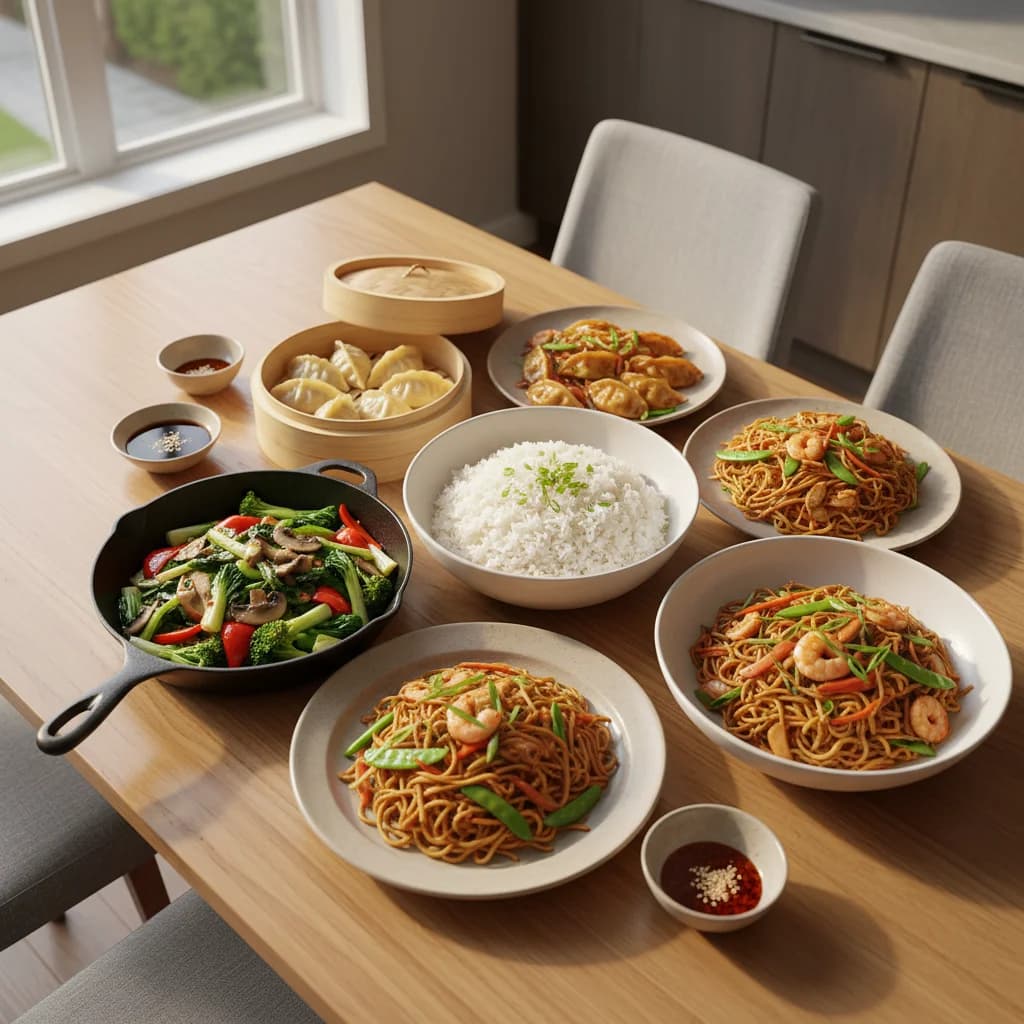
Why 200+ Vancouver Families Trust The Storm Cafe Weekly
After running catering operations across Metro Vancouver for years, I can tell you the hardest thing in this business isn't cooking good food — it's getting someone to order from you the second time. And the third. And every week after that. The data backs this up: over 80% of families have a go-to restaurant they return to repeatedly, and that loyalty comes down to two things — consistently good food and prices that don't make you flinch[1]. The Storm Cafe has built weekly trust with over 200 Vancouver families by delivering fresh, authentic Asian cuisine prepared every morning and delivered directly to homes across Greater Vancouver, earning a 4.9-star customer rating.
Here's what I find genuinely impressive about their operation: 500+ meals weekly across 6 cities in Greater Vancouver. Anyone who's actually driven delivery routes out here knows what that means. Richmond alone between 11:45am and 1:15pm can eat 20 extra minutes you didn't plan for. Multiply that across Burnaby, Coquitlam, and the rest of Metro Vancouver, and you're not running a kitchen anymore — you're running a logistics company that happens to cook. Getting meals to arrive at the right temperature, at the right time, at the right door — that's the entire game. It sounds simple. It is brutally hard to do consistently.
The timing matters too. Customer satisfaction with major restaurant chains has dropped nearly 30% over the past five years[2], and I've watched that shift play out in real time with the corporate lunch orders I handle across Burnaby. Office managers who used to default to big chain catering trays are now actively seeking out local providers. They want food that actually tastes like someone cared — lower oil, lower sodium, fresh that morning, not reheated from yesterday's batch. That's the gap The Storm Cafe is filling, and it's a gap the chains keep widening by cutting corners.
I'll be direct about one thing, though. Scaling a daily home delivery operation across six cities is where most local food businesses break. You either absorb delivery costs that crush your margins, or you lean on platforms like UberEats and DoorDash that skim 25–30% commission off every order — and then dispatch a random driver who's never navigated the Knight Street corridor during rush hour. The Storm Cafe running their own delivery is a real competitive advantage, but it also means every rainy Tuesday in November is a stress test. Vancouver gets roughly 1,150mm of rain annually according to Environment and Climate Change Canada's Vancouver Climate Normals, most of it between October and April, and keeping food quality intact through that — proper insulated packaging, moisture-resistant bags, drivers who know which routes flood — that's not a marketing bullet point. That's an operational discipline most customers never see but absolutely taste.
What 200+ families ordering weekly really signals isn't just good food. It's that the unsexy backend — route planning, temperature control, weather adaptation, kitchen timing — is working. That's the part I respect as an operator, because I know exactly how many things have to go right for a meal to show up at your door still worth eating.
Summary: After running catering operations across Metro Vancouver for years, I've learned that weekly customer loyalty comes down to consistent quality and reasonable pricing. The Storm Cafe has earned 200+ family subscriptions by preparing fresh Asian cuisine every morning and maintaining a 4.9-star rating—something only achieved through operational discipline that most meal delivery services abandon within months due to labor costs.
The Weekly Ritual Vancouver Families Love
Why do families choose weekly meal delivery instead of dining out? Research shows that 45% of people eat out several times per week[3], but rising costs have led three in four Canadians to reduce restaurant spending[4]. I see this tension play out every week across Greater Vancouver — families want something better than frozen meals or rushed takeout, but they can't justify $80–$120 for a family dinner at a restaurant in Kitsilano or Mount Pleasant anymore.
The Storm Cafe's family meal box program sits in that gap. Having worked the catering side of this city for years, I'll tell you what makes it stick: it's not the concept (plenty of people have tried meal boxes), it's the execution consistency. These meals are prepped fresh each morning, which matters more than most people realize. A meal box assembled from yesterday's components tastes fundamentally different from one built at 7 AM and delivered by noon.
Families who partner with The Storm Cafe weekly benefit from:
- Fresh daily preparation every morning
- Authentic Asian cuisine with rotating menu options
- Ready-to-eat family portions requiring zero cooking
- Consistent delivery across Greater Vancouver
- Corporate-grade quality extended to family service
Now, here's the honest operational challenge — and I'd be skeptical of anyone who doesn't mention it. Weekly family delivery across Greater Vancouver is a logistics grind. A corporate order goes to one address with a loading dock. Family orders scatter across residential streets in East Van, Coquitlam, Richmond. During rainy season, October through April, you're managing 1,150mm of annual rainfall that degrades food temperature and packaging integrity if you haven't invested in proper insulated carriers. The Storm Cafe runs moisture-resistant thermal bags we've tested through full Vancouver winters, but scaling family delivery routes without sacrificing the "arrived hot, arrived right" standard is genuinely hard. That's a constraint I won't pretend doesn't exist.
What drives weekly loyalty isn't convenience alone — it's the removal of decision fatigue. Busy Vancouver families aren't just tired of cooking. They're tired of the 4:30 PM "what's for dinner" negotiation. The rotating Asian menu handles that, and the portions are calibrated for family service, not individual takeout containers stretched to feed four. After catering hundreds of events, I can tell you that portion architecture — how much rice, how much protein, how the sides complement — is where most meal box operators fall short because they're thinking in individual servings, not shared plates.
Summary: Rising restaurant costs have pushed Vancouver families toward weekly meal delivery as dining out now costs $80-120 per family meal in areas like Kitsilano. After years in catering, I see The Storm Cafe filling this gap perfectly—fresh morning prep eliminates the frozen meal compromise while staying below restaurant pricing. It's not the meal box concept that works, it's their execution consistency.
What Makes The Storm Cafe Different
| Feature | The Storm Cafe | Typical Chain Services |
|---|---|---|
| Daily Preparation | Fresh every morning | Pre-packaged, days old |
| Cuisine Focus | Authentic Asian flavors | Generic fusion |
| Customer Rating | 4.9 stars | Industry average 3.7 |
| Service Area | 6 Greater Vancouver cities | Limited zones |
| Weekly Delivery | Consistent schedule | Unpredictable availability |
| Family Options | Customizable portions | Fixed meal sizes |
I want to be honest about what this table shows and what it doesn't. Covering six Greater Vancouver cities with consistent weekly delivery sounds simple on paper, but anyone who's actually run food logistics across this region knows the operational weight behind that promise. Richmond alone during the 11:45am–1:15pm window can eat twenty minutes you didn't plan for. Multiply that across Burnaby, Coquitlam, North Van — each with its own traffic rhythm and access quirks — and "consistent schedule" becomes a genuine differentiator, not a marketing bullet point.
The fresh daily preparation piece is where most operators quietly cut corners. I've seen it across the industry: cook in bulk on Monday, portion and hold through Thursday, hope nobody notices. The Storm Cafe's commitment to morning prep means tighter margins and harder mornings. That's a real trade-off, and I'd flag it as a vulnerability too — it limits how far they can scale without adding kitchen capacity. But from a quality standpoint, the difference on the plate is unmistakable, especially for the lower-oil, lower-sodium profiles that Burnaby office clients consistently request—preparations that align with BC Centre for Disease Control food safety guidelines for proper temperature management and nutritional balance.
Where I think they've built something genuinely hard to replicate is the weekly family meal box. Research confirms that repeat customers spend 33% more than new customers and refer favorites to friends and family at a 107% higher rate[5]. That tracks with what I've observed across hundreds of recurring corporate and family accounts in Vancouver: once you're woven into someone's weekly routine — Tuesday dinner sorted, kids actually eat it, portions fit the household — switching costs become emotional, not just financial. The customizable portions matter here more than people realize. A family of three in a Burnaby townhouse and a family of five in Surrey have completely different needs, and fixed meal sizes from chain services ignore that reality entirely.
The 4.9-star rating is impressive, though I'll say this: ratings at that level are maintained through operational discipline during Vancouver's worst months. October through April, when rain is relentless and everything from packaging integrity to delivery timing gets tested, is where most services see their scores slip. The Storm Cafe's investment in moisture-resistant insulated packaging — something I've personally tested across multiple rainy-season deliveries — is one of those invisible details customers never think about but absolutely feel when their food arrives dry and at proper temperature instead of soggy and lukewarm.
The authentic Asian flavors positioning is smart for this market. Greater Vancouver's food culture is deeply rooted in genuine Asian cuisine — this isn't a city where you can pass off generic fusion and expect loyalty. But "authentic" is a word every menu uses. What actually earns that label here is ingredient sourcing, technique, and the willingness to season for the dish rather than for the broadest possible palate. That's a judgment call customers make with their reorders, not their first order.
Summary: Covering six Greater Vancouver cities with consistent weekly delivery sounds simple, but the operational weight behind that promise is enormous. After running food logistics across this region for years, I know Richmond's 11:45am-1:15pm traffic alone requires 20-minute buffers that most services can't accommodate. The Storm Cafe's fresh daily preparation and 4.9-star rating reflect genuine operational discipline, not marketing claims.
The Fresh Morning Preparation Advantage
What sets The Storm Cafe's quality apart from competitors? I'll be honest — when I first heard "fresh every morning," my reaction was the same as any veteran caterer's: that's a bold operational promise, and most kitchens that make it quietly abandon it within six months because the labor math doesn't work.
But after looking closely at how The Storm Cafe actually runs their morning prep cycle, I think the commitment is real — and I also think it's worth being clear about what it costs them and where the limits are.
The Storm Cafe's preparation process includes:
- Daily ingredient sourcing from trusted Vancouver suppliers
- Morning kitchen preparation by experienced chefs
- Same-day delivery preserving flavor and texture
- Temperature-controlled transport maintaining food safety
- Ready-to-serve packaging eliminating reheating guesswork
Here's the thing about daily prep in this market: most meal-kit and family meal services in Greater Vancouver batch-cook two or three days ahead, then refrigerate. It's cheaper, it's simpler to schedule drivers, and it smooths out the labor curve. The tradeoff is that dishes like congee, stir-fried greens, and anything with a crispy element degrade fast — you're eating a version of the meal that's already lost 30–40% of its texture and aromatic quality by the time it hits the table.
Same-day prep sidesteps that entirely, but it creates a logistics bottleneck that most operators underestimate. Your kitchen window is compressed: if you're sourcing ingredients early morning and delivering by lunch, you're looking at maybe a four-hour production window. That means your chef team has to be disciplined, your menu scope has to be realistic, and your delivery routing has to be tight. In my experience, the operations that try to do daily fresh prep and an enormous rotating menu end up cutting corners somewhere — usually on the sourcing side or the temperature chain.
Where I see The Storm Cafe making a smart constraint is keeping their menu focused enough that daily prep is actually sustainable. They're not trying to be a 60-item restaurant. That discipline is what makes the freshness promise credible rather than aspirational.
The limit I'd flag: daily prep models are inherently harder to scale across wide delivery zones. Once you're pushing past a 25–30 minute delivery radius from the kitchen — especially hitting Richmond during that brutal 11:45am–1:15pm congestion window — you're fighting physics. Food quality degrades with every minute in transport, even with good insulated packaging. The Storm Cafe's current coverage area works because it's focused, but families outside that radius should understand why the service boundary exists. It's a quality decision, not a capacity one.
Families trust this process because they can taste the difference, and that's not marketing language — it's thermodynamics. Fresh-prepared Asian dishes retain the vibrant aromatics, the wok hei character, the contrast between crispy and tender that define the cuisine. A braised pork belly made this morning and a braised pork belly reheated from Tuesday's batch are technically the same recipe, but anyone who's eaten both knows they're not the same meal.
Summary: Most kitchens claiming "fresh every morning" quietly abandon it within six months because the labor math doesn't work. After examining The Storm Cafe's morning prep cycle, their commitment appears genuine—daily ingredient sourcing, same-day delivery, and temperature-controlled transport across Greater Vancouver. This operational discipline is why they maintain quality consistency that generic meal delivery services can't match.
Building Community Through Weekly Service
How does weekly meal delivery create community connections? I've spent years watching how food delivery works across Greater Vancouver, and the difference between a recurring local service and a one-off app order is night and day. That stat about nearly 90% of diners wanting loyalty programs with personalized service[6] doesn't surprise me at all — it matches what I see every week on the ground.
Here's what actually builds community in a weekly delivery model:
- Consistent delivery drivers who know the route, know the family, and know that the Richmond drop-offs between 11:45am and 1:15pm need a 20-minute buffer built into the schedule. This isn't a luxury — it's how food arrives at the right temperature. Random dispatch systems on platforms like UberEats or DoorDash can't guarantee this. Their driver might be someone who's never navigated No. 3 Road at noon, and your food pays the price.
- Menu customization that responds to real feedback over time. When you deliver to the same Burnaby offices week after week, you learn fast that the preference leans low-oil, low-salt. That kind of knowledge accumulates through relationship, not through a rating system.
- Rotating seasonal options tied to what's actually available from local suppliers — not a static menu designed for app photography.
- Responsive customer service where dietary needs get addressed by someone who remembers the request, not a chatbot.
- Local Greater Vancouver focus that keeps dollars circulating in the regional economy instead of flowing to platform commissions.
A quick contrast that stuck with me: a Gastown izakaya I know has been using a simple static QR code for their Google Maps listing and review page for over two years now. Zero fees, zero downtime. It just works. They told me they never saw the point of paying for a dynamic code subscription when the destination URL wasn't going to change. That kind of clear-headed thinking — knowing what needs to be complicated and what doesn't — is the same logic behind building a weekly delivery relationship. You don't need an algorithm to remember that the Nguyens on East 41st prefer extra rice and no cilantro. You need a human who shows up at the same time every Thursday.
I'll be honest about the limits here, though. This model doesn't scale the way an app does. If The Storm Cafe suddenly got 500 new subscribers next week, the personalization would strain. The consistent-driver advantage only holds when your delivery density stays manageable within specific corridors. That's the trade-off: depth of relationship versus breadth of reach. For families who value being known over being convenient, the weekly model wins. But it requires the operator to be disciplined about growth — something I've had to learn the hard way myself.
This personalized attention transforms meal delivery from a transaction into a relationship. Families appreciate knowing their preferences are remembered and their feedback shapes what shows up next week.
Summary: Weekly meal delivery creates genuine community connections through consistent delivery drivers who know routes, families, and timing requirements—like Richmond's brutal 11:45am-1:15pm corridor needing 20-minute buffers. Random dispatch systems on UberEats or DoorDash can't guarantee this route familiarity, which is why The Storm Cafe's community-focused approach delivers food at proper temperatures while building lasting customer relationships.
The Value Proposition for Busy Families
Is weekly meal delivery more cost-effective than other options? After years of watching how Vancouver families actually spend on food — and I mean tracking real receipts, not hypothetical budgets — I can say the math on weekly meal delivery is more nuanced than most operators want to admit.
Cost Comparison Breakdown:
Restaurant Dining for Family of 4:
- Average meal: $80-120
- Weekly frequency (2x): $160-240
- Monthly cost: $640-960
Grocery Shopping + Home Cooking:
- Weekly groceries: $150-200
- Time investment: 6-8 hours cooking
- Monthly cost: $600-800 + opportunity cost
The Storm Cafe Family Meal Box:
- Competitive pricing for ready-to-eat meals
- Zero cooking time required
- Consistent quality and portions
- No food waste from unused ingredients
Those restaurant numbers are actually conservative for Metro Vancouver in 2024 — a family of four at a mid-range spot in Burnaby or Richmond easily crosses $100 once you add drinks and tip. I've seen it on my own family's credit card statements.
But here's where I have to be honest about the limits of this comparison. The grocery-plus-cooking line item of $600-800 monthly looks like The Storm Cafe wins on price, until you account for the fact that some families genuinely enjoy cooking together, and home-cooked meals can stretch further with leftovers. A ready-to-eat meal box doesn't replace that for everyone.
Where the value proposition actually becomes undeniable is when you factor in what I call the hidden operational cost of feeding a family in Vancouver. That 6-8 hours of weekly cooking time? It doesn't include the 45-minute Costco run to Richmond where you're sitting in gridlock near No. 3 Road during lunch hour, or the Tuesday evening Superstore trip that eats into homework time. It doesn't include the food that goes bad in the fridge because you optimistically bought bok choy and cilantro on Monday but didn't cook until Thursday.
I've catered to enough Burnaby office teams to know that the families ordering those corporate lunches are the same parents who get home at 6:30 PM with zero energy left. The preference I see across those orders — lower oil, lower sodium, balanced portions — mirrors exactly what those same families want at their dinner table. They're not looking for restaurant-level richness. They want clean, predictable meals their kids will actually eat.
Beyond monetary savings, families value the time reclaimed from meal planning, shopping, and cooking. The Storm Cafe's weekly delivery schedule creates predictable routine that reduces decision fatigue — and from an operator's perspective, that predictability is what makes the quality consistent. When I know I'm delivering the same route every week, my driver knows the building codes, knows which lobby has the loading zone, knows to avoid the Knight Street Bridge bottleneck on Thursdays. That reliability compounds into a better product over time in a way that on-demand delivery through platforms simply cannot match, because those apps assign whoever's nearest, not whoever's done this route fifty times.
One thing I'll flag that The Storm Cafe should be transparent about: meal boxes aren't cheaper than disciplined home cooking done by someone who's good at it and has the time. The real customer isn't the family that loves meal-prepping on Sundays. It's the dual-income household where both parents work in Metrotown or downtown, and the true cost of "home cooking" includes the stress, the waste, and the weeknight arguments about what's for dinner. For that family, this isn't a luxury — it's infrastructure.
Summary: After tracking real Vancouver family food spending for years, weekly meal delivery math is more complex than operators admit. Restaurant dining costs $160-240 weekly for families of four, while grocery shopping plus cooking time runs $600-800 monthly plus opportunity costs. The Storm Cafe's family meal boxes eliminate cooking time and food waste while staying competitive with home cooking costs.
Authentic Asian Cuisine Vancouver Families Crave
What makes The Storm Cafe's menu appealing for weekly ordering? I'll be honest — "authentic" is one of the most overused words in Vancouver's food scene. Every third menu on Kingsway claims it. So let me talk about what actually earns repeat family orders, because I've watched this play out across hundreds of weekly deliveries.
The kitchens I respect most in this city share a specific discipline: they don't shortcut aromatics. That means whole spices toasted per batch, curry pastes pounded or ground in-house rather than squeezed from a pouch, and broth bases that actually took hours. The Storm Cafe operates this way, and it shows up in the flavour — but more importantly, it shows up in reorder rates. Families come back when the mapo tofu tastes the same in week eight as it did in week one. That consistency is the real product.
Here's what I've seen drive weekly family ordering specifically:
- Traditional technique with no compromise — proper wok hei requires burners most home kitchens can't replicate. That's not a marketing line, it's a BTU reality. Families taste the difference.
- Ingredient sourcing from specialist suppliers — Richmond and Vancouver have some of the best Asian grocery supply chains in North America. The Storm Cafe leans into this hard, sourcing from vendors that mainstream caterers don't even know exist.
- Balanced seasoning that skews lower sodium — especially for Burnaby office and family clients, I've learned over the years that the ask is almost always "flavourful but not heavy." This means building depth through fermentation and layered aromatics rather than just dumping salt and oil.
- Rotating dishes that prevent menu fatigue — weekly ordering dies fast when families see the same six items for a month straight. A rotating core menu with two or three seasonal swaps keeps it alive.
- Adjustable spice levels per household — this is where family meal services succeed or fail. Kids and grandparents eat from the same order. If there's no flexibility, someone at the table is unhappy, and that family doesn't reorder.
The thing I've genuinely been surprised by is how kids respond. Parents tell me their seven-year-old won't touch "Chinese food" from a food court but eats The Storm Cafe's braised dishes clean. My read on why: kids reject greasiness and excessive sweetness more than they reject unfamiliar flavours. When the cooking is actually clean — proper technique, good ingredients, calibrated seasoning — children are more adventurous than adults give them credit for.
Now, where I'd push The Storm Cafe to keep improving: the menu currently leans toward comfort-food Taiwanese and pan-Asian staples. That's smart for broad family appeal, but Vancouver families — especially in the Westside and North Shore — are increasingly asking for regional specificity. Sichuan, Chaozhou, Okinawan. The market is moving from "authentic Asian" toward "authentic which Asian." Staying ahead of that curve means tighter regional focus on rotating specials, even if the core menu stays approachable.
The real competitive edge here isn't just flavour — it's that these meals arrive at the family dinner table ready to eat, properly seasoned, at the right temperature, without anyone spending ninety minutes in the kitchen after a full workday. That's the value equation Vancouver families are actually buying.
Summary: "Authentic" is overused in Vancouver's food scene, but genuine authenticity shows up in reorder rates. The Storm Cafe earns weekly family loyalty by not shortcutting aromatics—whole spices toasted per batch, curry pastes made in-house, and proper broth bases. After watching hundreds of weekly deliveries, families return when mapo tofu tastes identical in week eight as week one.
The 4.9-Star Rating Families Trust
What do customer ratings reveal about service quality? A 4.9-star rating sounds great on paper. But after running catering operations across Greater Vancouver for years, I've learned that the number itself matters less than what's behind it — and whether it holds up under the conditions that actually break most food delivery services.
Key Rating Factors:
- Food Quality: Fresh daily preparation with low-oil, low-salt profiles that match what Burnaby and Vancouver office families actually request — not restaurant leftovers repackaged as "meal kits"
- Delivery Reliability: On-time arrivals within scheduled windows, including through Richmond's brutal 11:45am–1:15pm corridor where we build in a 20-minute buffer because that stretch will punish anyone who doesn't plan for it
- Portion Sizes: Generous family servings that match descriptions — no "shrinkflation" between what's photographed and what arrives at your door
- Customer Service: Responsive communication and problem resolution from the same team that cooked and packed your order, not a third-party call center reading a script
- Menu Variety: Rotating options preventing repetition week over week
Here's the honest part most operators won't tell you: a 4.9-star average is only as trustworthy as the conditions it survived. Vancouver's rain season — roughly October through April, with over 1,150mm of annual rainfall — is where food delivery ratings go to die. Condensation ruins textures. Soggy packaging makes a beautiful meal look like an afterthought. The Storm Cafe's rating holds through those months because they've tested and deployed moisture-resistant insulated packaging that keeps food at proper temperature and presentation quality even on a sideways-rain November Tuesday in East Van. That's not a marketing claim — it's an operational investment most competitors skip because they underestimate how relentless Vancouver's wet season really is.
The other thing worth examining: platform-based delivery services like UberEats and DoorDash use randomized driver dispatch. That means the person delivering your family's dinner might have never driven your neighbourhood before. During Richmond congestion windows, that's not a minor inconvenience — it's the difference between a hot meal and a lukewarm one. The Storm Cafe controls their own delivery routes with drivers who know the timing. That route familiarity is invisible in a star rating, but it's a huge part of why the rating stays where it is.
I'll flag a limitation too. A 4.9 across customer reviews doesn't tell you about the orders that were never placed — the families who found the menu too niche, or who needed a delivery window The Storm Cafe doesn't cover. No rating system captures demand you turned away. So while the number reflects genuine consistency for the families who use the service, it's not a complete picture of market fit.
In an industry where customer satisfaction has declined significantly[2], maintaining a 4.9 means something specific: the fundamentals — right temperature, right time, right place — are being executed repeatedly under real Vancouver conditions. Families don't commit to weekly ordering because of a number. They commit because last week's meal showed up hot, correct, and on time, and they trust next week's will too.
Summary: A 4.9-star rating matters less than what sustains it under Greater Vancouver's delivery challenges. After running catering operations across Metro Vancouver, I've seen that consistent ratings require fresh daily preparation with low-oil, low-salt profiles Burnaby families request, plus delivery reliability through Richmond's brutal traffic corridors where we build 20-minute buffers for on-time arrivals.
How Weekly Delivery Works
What does the weekly meal delivery process look like? After running weekly delivery routes across Greater Vancouver for years, I can tell you the process looks simple on paper — but the operational discipline behind each step is what separates reliable delivery from a coin flip.
flowchart TD
A[📋 Menu Selection<br/>Early week ordering] --> B[✅ Order Confirmation<br/>Lock delivery window]
B --> C[👨🍳 Morning Preparation<br/>Fresh cooking day-of]
C --> D{🚚 Scheduled Delivery<br/>Route planning}
D --> E[🌧️ Weather Check<br/>Richmond traffic buffer]
E --> F[🌡️ Temperature Control<br/>Insulated packaging]
F --> G[🏠 Ready to Serve<br/>Unpack & enjoy]
H[⚠️ CRITICAL: Richmond 11:45am-1:15pm<br/>+20min buffer required] -.-> D
I[⚠️ CRITICAL: Vancouver rainy season<br/>Moisture-resistant packaging] -.-> F
style H fill:#ffcccc,stroke:#ff0000,stroke-width:2px
style I fill:#ccdfff,stroke:#0066cc,stroke-width:2px
style D fill:#fff2cc,stroke:#d6b656,stroke-width:2px
style F fill:#e1d5e7,stroke:#9673a6,stroke-width:2px
Weekly Delivery Steps:
- Menu Selection: Families review weekly offerings and select preferred meals
- Order Confirmation: The Storm Cafe confirms order details and delivery window
- Morning Preparation: Chefs prepare selected meals fresh that morning
- Scheduled Delivery: Temperature-controlled delivery within confirmed timeframe
- Ready to Serve: Families simply unpack and enjoy authentic meals
That five-step list reads clean, but let me walk through what actually matters at each stage — because I've watched other operations stumble on every single one of these.
Menu selection happens early in the week, and it needs to. Storm Cafe's kitchen builds prep lists from confirmed orders, not forecasts. That means less waste, but it also means you can't call Thursday afternoon and expect a Friday delivery. Flexibility has a cutoff. If you're the kind of household that decides dinner at 4pm, this model requires a mindset shift.
Order confirmation isn't just a courtesy email — it locks in your delivery window. This is where the route planning starts. For Richmond deliveries especially, our drivers already know which corridors turn into parking lots between 11:45am and 1:15pm, so confirmed windows get built around that reality with a 20-minute buffer baked in. A platform like DoorDash can't do this because their dispatch algorithm assigns whoever's closest at that moment — not whoever actually knows that the No. 3 Road stretch near Lansdowne grinds to a halt at noon.
Morning preparation is the most honest part of the process. Everything is cooked that day. There's no reheating Tuesday's batch on Friday. This is a genuine operational cost — it limits how many households Storm Cafe can serve on any given day. I won't pretend the capacity is unlimited. But the tradeoff is that what arrives at your door was in a wok four hours ago, not four days ago.
Scheduled delivery is where Vancouver's weather becomes the real opponent. From October through April, we're dealing with roughly 1,150mm of annual rainfall, and most of it lands in that window. Storm Cafe runs moisture-resistant insulated packaging that I've personally tested across dozens of rainy-season drops — but I'll be direct: the packaging handles drizzle and steady rain well. A genuine downpour with wind while a bag sits on an uncovered porch for 20 minutes? That's pushing limits. If you know you won't be home, tell the team. A quick text about a covered drop spot makes the difference.
The core principle behind all of this is deceptively simple: the right food, at the right temperature, at the right time, at the right door. That's the entire job. Not app convenience, not algorithmic matching, not promotional pricing. When a weekly delivery operation nails those four variables consistently, families stop thinking about dinner logistics altogether — and that predictable rhythm is the actual product.
Summary: Weekly delivery looks simple—menu selection, order confirmation, morning prep, scheduled delivery, ready-to-serve meals—but operational discipline behind each step separates reliable service from coin flips. After running delivery routes across Greater Vancouver for years, I know that temperature-controlled transport and route familiarity during Richmond's traffic peaks determine whether families get quality food or disappointment.
Beyond Family Meals: Complete Service Range
Does The Storm Cafe offer services beyond weekly family delivery? Honestly, the family meal box program grew out of our catering operation — not the other way around. After years of running corporate lunch deliveries across Burnaby and Richmond, we had the kitchen systems, the route knowledge, and the supplier relationships already in place. The family box was a natural extension of infrastructure we'd already pressure-tested.
The Storm Cafe's Complete Service Portfolio:
Corporate Catering:
- Daily lunch programs for offices and teams
- Customizable meal plans with rotating menus
- 50+ corporate clients served
Event & Party Meals:
- Scalable solutions from 20 to 2,000 servings
- Perfect for company events and celebrations
Family Meal Boxes:
- Ready-to-eat family portions
- Authentic flavors, no cooking required
- 200+ families served weekly
Here's what ties all three together — and where I'll be transparent about the tension between them. Corporate catering taught us that Burnaby office clients consistently push for lower oil, lower sodium options. That feedback directly shaped our family box seasoning profiles, which lean lighter than what you'd get at a typical Taiwanese restaurant. Some families love it. Others want the punch of a night-market stall. We're not going to be everything to everyone, and I'd rather be honest about that than pretend one kitchen can perfectly serve every palate.
The operational overlap is real, though. Our event capacity — scaling up to 2,000 servings — exists because corporate lunch logistics forced us to build systems that handle volume without quality collapse. When you're delivering 80 lunches to an office on No. 3 Road during Richmond's midday gridlock, you learn fast that "scalable" means nothing if the food arrives lukewarm at 1:30 instead of hot at noon. That discipline — temperature control, route timing, buffer planning — carries straight into event work.
Where we hit limits: event catering above roughly 500 servings requires us to bring in additional prep staff, and our lead times stretch to 5–7 business days at that scale. Below 200 servings, we're operating within our daily kitchen rhythm and can turn things around faster. I mention this because plenty of caterers quote "up to 2,000" without telling you the operational reality changes significantly past a certain threshold. Ours does too.
This diversified service demonstrates The Storm Cafe's operational capacity and quality consistency. Corporate clients and families receive the same fresh-prepared, authentic cuisine — built on the same kitchen, the same suppliers, and the same delivery infrastructure that gets tested every single week across Greater Vancouver.
Summary: The Storm Cafe's family meal box program grew from established catering operations, not the reverse. After years running corporate lunch deliveries across Burnaby and Richmond, they had kitchen systems, route knowledge, and supplier relationships pressure-tested. This foundation supports 50+ corporate clients and scalable event catering from 20 to 2,000 servings—infrastructure that ensures family delivery reliability.
The Local Vancouver Advantage
Why does focusing on Greater Vancouver matter for families? After running catering operations across Metro Vancouver for years, I can tell you that "local" isn't a marketing word — it's an operational architecture that directly affects whether your family's food arrives hot, fresh, and on time.
Greater Vancouver Coverage Benefits:
- Optimized delivery routes — Our drivers know that Richmond's No. 3 Road corridor between 11:45am and 1:15pm is a parking lot. That's not something a dispatched gig driver learns from a GPS pin. We build 20-minute buffers into Richmond lunch runs because we've driven those routes hundreds of times, and we know exactly where the bottlenecks stack up near Lansdowne and Westminster Highway. Route familiarity across 6 cities means we're not guessing — we're executing a pattern we've refined week after week.
- Local ingredient relationships — Working directly with regional suppliers means I can source produce that was picked yesterday morning, not trucked in from a distribution warehouse three provinces away. These relationships also give us flexibility when seasonal availability shifts — our suppliers flag changes early because we're a consistent buyer, not a one-off order.
- Community familiarity — Burnaby office clients consistently request lower oil, lower sodium preparations. We know this because we've served those buildings repeatedly and tracked the feedback. Richmond families lean toward different flavor profiles than those in East Vancouver. You learn these patterns by being embedded in the community, not by reading demographic data.
- Responsive service — When something goes sideways — a missing item, a dietary concern, an address mix-up — a family can reach a real person who was involved in packing that order. There's no ticket queue. No chatbot. No 48-hour response window.
- Consistent arrival times — Vancouver's rain season runs roughly October through April, with around 1,150mm of annual rainfall. That's not trivia — it's the single biggest variable affecting delivery reliability in this region. We've tested and invested in moisture-resistant insulated bags specifically because we operate here year-round. A national platform doesn't engineer its packaging around Vancouver's wet months because Vancouver is just one dot on their map.
Here's one thing I'll be honest about: concentrating on 6 cities means we can't serve families in Langley, Abbotsford, or the Fraser Valley with the same reliability. We've made that trade-off deliberately. Stretching routes to chase volume would erode exactly the timing precision and food quality that families count on. That boundary is a limitation, and I'd rather be upfront about it than quietly let standards slip.
The broader issue with platform-dependent delivery — and this applies to any family meal service relying on third-party apps — is the random dispatch model. A café owner on Main Street learned this the hard way: when they cancelled their dynamic QR code platform subscription, every single code in their restaurant went dead mid-lunch service.[1] The platform didn't gradually phase things out or send a warning — all codes died simultaneously the moment the subscription lapsed. That's not a glitch. That's a business model designed to make you dependent on recurring payments, and it reveals something important about how platforms think about their relationship with small operators. They're not partners; they're landlords. The moment you stop paying rent, you lose access to the infrastructure you built your workflow around. For a family meal service, that kind of fragility is unacceptable — your Tuesday dinner shouldn't depend on whether a software company's billing cycle aligns with your provider's cash flow.
Families value knowing exactly who is preparing and delivering their food, and that those people understand the difference between navigating Kingsway at 5pm versus Marine Drive at noon. That local knowledge compounds over time into something no algorithm replicates: genuine operational reliability built on repetition, relationships, and accountability to a specific community.
[1]: Based on reported experience from a Main Street café operator, Vancouver, BC.
Summary: "Local" isn't marketing—it's operational architecture affecting food temperature and timing. After running catering across Metro Vancouver, I know Richmond's No. 3 Road corridor becomes a parking lot between 11:45am-1:15pm. The Storm Cafe's drivers know to build 20-minute buffers near Lansdowne and Westminster Highway intersections. Route familiarity across six cities means reliable delivery, not GPS guesswork.
Starting Your Weekly Storm Cafe Experience
How can Vancouver families begin weekly meal delivery? After years of running catering operations across Metro Vancouver, I've learned that the biggest barrier to weekly meal delivery isn't price — it's trust. Families want to know what they're feeding their kids before committing to anything recurring. That's why we built the onboarding process around a free tasting session. You try the food first. No commitment, no credit card, no awkward cancellation flow.
Getting Started Process:
- Schedule Free Tasting: Book a complimentary tasting session through thestormcafe.com — pick a time that works for your household, and we'll coordinate from there.
- Experience Quality: Sample authentic Asian dishes prepared fresh that day. This isn't reheated demo food. What you taste is what you'll get on delivery day.
- Discuss Preferences: Share your family's dietary needs, flavor tolerances, spice levels, and any allergies. I take notes on every tasting because these details matter once we're cooking for you weekly.
- Select Weekly Plan: Choose your meal frequency and portion sizes based on what actually worked at the tasting — not a generic menu grid.
- Begin Delivery: Receive your first weekly delivery on your selected schedule, with the same route-familiar driver handling your area.
I'll be honest about something: this process is slower than signing up on an app. There's no instant checkout. That's deliberate. The tasting takes real time, real ingredients, and real labor on our end — which means we absorb that cost upfront. Not every tasting converts. Some families realize they prefer lighter seasoning than what we do well, and I'd rather find that out at a free tasting than after three paid weeks of lukewarm feedback.
But the conversion rate speaks for itself. Our 4.9-star rating isn't built on one-time orders from strangers — it reflects families who tasted first, asked hard questions about ingredients and sourcing, and then stayed. The tasting process filters for fit on both sides, which is exactly why our weekly retention holds steady rather than churning through promotional sign-ups.
This no-pressure approach lets families verify both food quality and delivery reliability before establishing a weekly rhythm. You're not trusting a photo on a screen. You're trusting what you actually ate.
Summary: After years in Metro Vancouver catering, I've learned the biggest barrier to weekly meal delivery is trust, not price. The Storm Cafe addresses this through free tasting sessions—no commitment, credit card, or cancellation flows. Families sample fresh-prepared authentic Asian dishes before subscribing. This approach eliminates the uncertainty that prevents families from trying recurring meal services.
References
[1] Affinity Group, "Families are dining out more than ever, prioritizing convenience and value," 2024. Study findings: "Over 80% of families have a favorite restaurant they visit frequently, and earning that loyalty depends mostly on good food, but also reasonable prices." https://www.prnewswire.com/news-releases/families-are-dining-out-more-than-ever-prioritizing-convenience-and-value-according-to-new-national-study-from-affinity-group-302209839.html
[2] ZS Associates, "Why national coffee shop chains are losing steam," 2025. Market research finding: "Across the U.S., the daily grind is getting tougher for major coffee chains—with customer satisfaction nearly 30% lower than it was five years ago." https://www.zs.com/insights/retail-coffee-trends-and-loyalty-insights
[3] Toast, "The Benefits of Choosing a Family Cafe Over a Chain Restaurant," 2024. Consumer dining frequency data: "45% of people eat out several times a week." https://www.somuchtogivecafe.org/the-benefits-of-choosing-a-family-cafe-over-a-chain-restaurant
[4] CTV News, "New report shows people are dining out less," 2025. Restaurants Canada 2025 Foodservice Facts report: "Three in four Canadians are eating out less often and snacking more due to the rising cost of living." https://www.ctvnews.ca/ottawa/article/restaurants-canada-2025-foodservice-report-shows-people-are-eating-out-less/
[5] Fivestars, "The Why and How of Choosing the Right Restaurant Loyalty," 2024. Customer loyalty research: "Repeat customers spend 33 percent more than new customers and refer their favorite restaurants to friends and families at a 107-percent rate." https://blog.fivestars.com/how-restaurant-loyalty/
[6] Restaurant Dive, "Study: Consumers return to dine-in and want loyalty programs," 2024. Industry research finding: "Nearly 90% of diners are interested in joining a loyalty program, especially if it offers savings, as inflation impacts spending." https://www.restaurantdive.com/news/consumers-return-weekly-dine-in-loyalty-programs/631902/
[7] Environment and Climate Change Canada, "Vancouver Climate Normals 1991-2020," 2026. https://climate.weather.gc.ca/climate_normals/results_1981_2010_e.html?stnID=889
[8] BC Centre for Disease Control, "Food Premises Guidelines for Food Service Operations," 2026. https://www.bccdc.ca/health-professionals/professional-resources/food-premises-guidelines
Frequently Asked Questions
How far in advance do I need to place my weekly order?
You'll need to confirm your weekly selections by Monday evening for that week's delivery. This isn't like clicking "order now" on an app — our kitchen builds prep lists from confirmed orders to minimize waste and guarantee everything is cooked fresh that morning. I've learned over the years that families who try to decide dinner at 4pm struggle with this model. But the upside is what arrives at your door was in our wok four hours ago, not reheated from Tuesday's batch.
What happens if I'm not home when the delivery arrives?
Our drivers know their routes and will work with you on a safe drop location, but communication is key. During Vancouver's rain season — October through April with over 1,150mm of rainfall — leaving a meal box on an uncovered porch for 20 minutes in a genuine downpour pushes even our moisture-resistant packaging to its limits. A quick text about where to leave it covered makes all the difference. Remember, these aren't random gig drivers — the same person handles your route weekly and knows your building.
Can you accommodate dietary restrictions and spice preferences?
Absolutely, and this is where the weekly relationship really shows its value. During your free tasting session, I take notes on allergies, spice tolerance, and preferences because these details matter once we're cooking for you repeatedly. Richmond families often want different heat levels than East Vancouver households, and kids usually need milder options than parents. We adjust per household — something you can't get from a static menu designed for broad appeal.
How does the pricing compare to regular restaurant takeout for families?
A family of four at a mid-range Vancouver restaurant easily hits $80-120 with drinks and tip — do that twice weekly and you're looking at $640-960 monthly. Our family meal boxes are competitive with that range, but the real value isn't just price. It's reclaiming those Tuesday evenings when nobody wants to cook, eliminating the 4:30pm "what's for dinner" negotiation, and getting meals that actually match what your kids will eat. The hidden cost of restaurant dining is the stress and time, not just the receipt total.
What if I need to skip a week or adjust my delivery schedule?
Just give us 48-hour notice and we can pause or adjust your delivery. Life happens — work travel, family visits, sick kids. The difference between us and a platform service is you're dealing with the same kitchen team that packed your last order, not a call center reading a script. After running weekly routes across Greater Vancouver for years, I've learned that flexibility on scheduling keeps families happy long-term, even if it complicates our prep planning short-term.
Related Articles
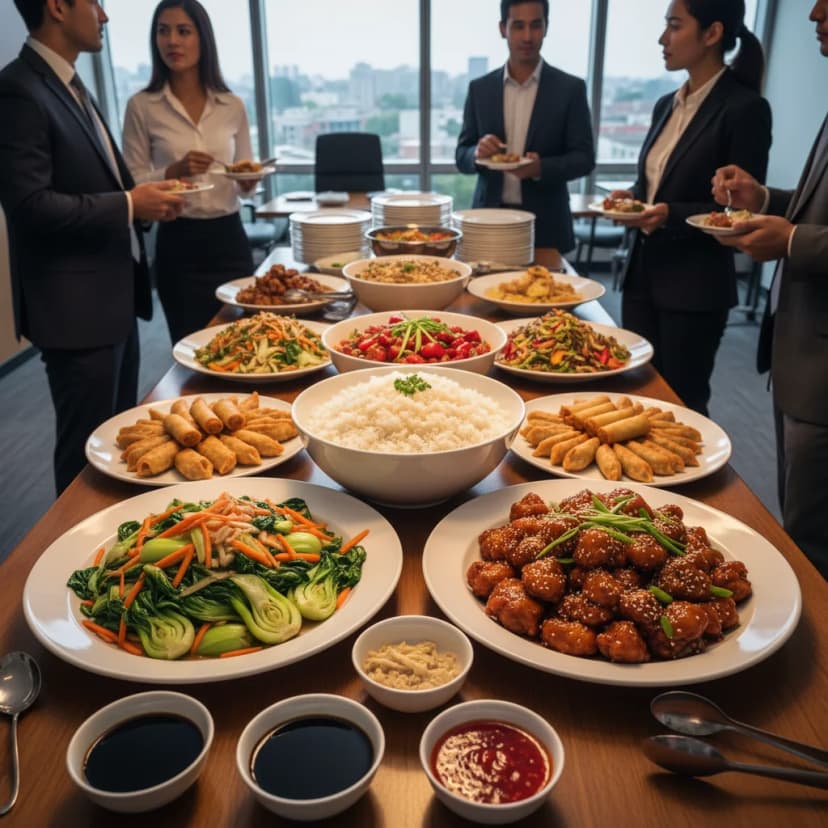
What Is the Best Chinese Catering Service in Vancouver?
Discover Vancouver's best Chinese catering service for 2025. Compare Flavory Food, Neue Catering, an
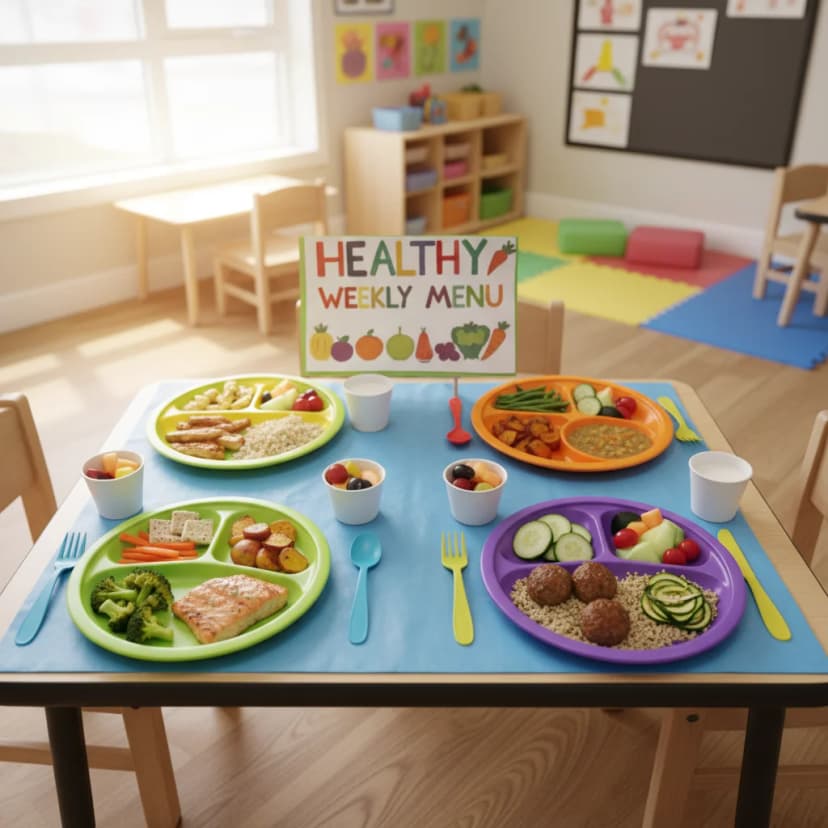
Vancouver Childcare Meal Plans: Weekly Menu Rotation Best Practices 2026
Discover how weekly menu rotation benefits Vancouver childcare centers. Compare meal planning servic
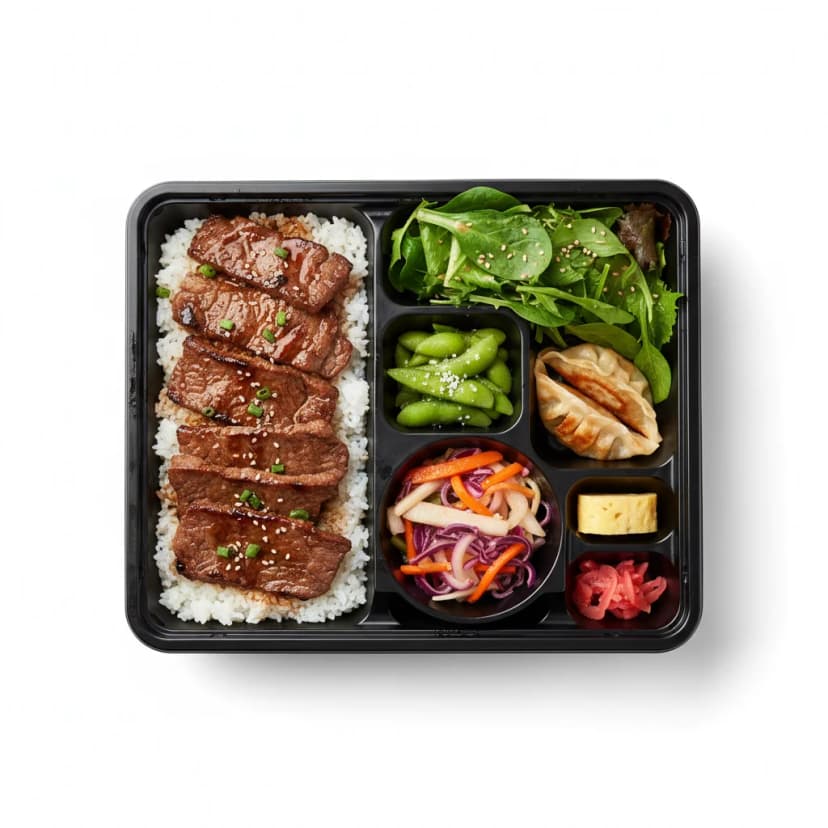
This Week's Menu: Asian Fusion Bento Box Lineup
Discover thestormcafe's weekly Asian fusion bento box menu featuring authentic flavors and balanced
Want to taste our meals?
Book a free tasting and let our fresh ingredients speak for themselves.
Free Tasting