Summer Camp Catering Vancouver: Group Meal Boxes
Discover the best summer camp catering services in Vancouver with group meal boxes. Compare pricing, nutrition standards, and delivery options for BC summer programs.
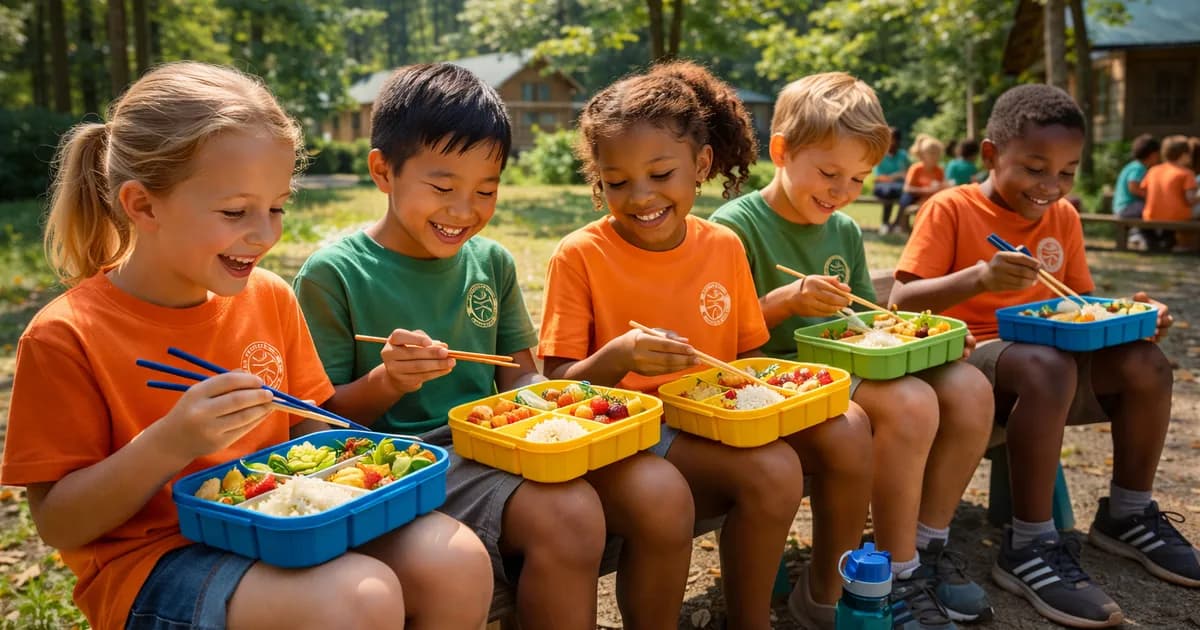
Why Summer Camp Catering Is a Different
Beast in Greater Vancouver
After years of catering corporate lunches and private events across Metro Vancouver, I can tell you: feeding 40–80 active kids at a summer camp is a completely different operation. The dietary restrictions are more complex (schools and camps enforce stricter allergen protocols than most offices), the timing windows are razor-thin, and the food has to actually get eaten — not just look good on a tray.
Vancouver's summer camp season runs roughly late June through early September, and those few months bring their own logistics challenges. Here's what every camp organizer and caterer needs to nail down before a single meal box leaves the kitchen.
Step-by-Step: How to Plan Group Meal
Boxes for Summer Camps
Follow these steps in order. Skipping any one of them is how you end up with 60 hungry, cranky kids and a director who never calls you again.
Lock in headcount and dietary needs at least 48 hours before each delivery week. Camps have rolling enrollment — kids drop in and out. Get the organizer to confirm numbers every Monday for the following week. For groups of 50+, 48 hours is the bare minimum to adjust purchasing and prep without waste.
Collect every dietary restriction in writing. Verbal confirmations aren't enough. You need a printed or digital list that covers allergies (nut-free is almost universal for kids' programs in BC), halal, kosher, vegetarian, vegan, and any medical dietary needs. Pin this list in your kitchen and on every packing station.
Design menus around what active kids will actually eat — not what looks impressive. I've watched beautifully plated quinoa bowls come back untouched from camps in East Vancouver while simple chicken wraps with cut veggies and hummus get demolished. Keep it low oil, moderate salt, high protein, and easy to eat with hands or a single fork. The Burnaby and Richmond camp directors I work with specifically request lighter, less greasy options — and they're right.
Choose packaging that survives a Vancouver summer day. July and August can swing between 28°C sunshine and an unexpected cool, damp morning. Use leak-proof, compartmentalized boxes that keep items separated. Avoid containers that sweat and turn sandwiches soggy. Every box should be clearly labeled with contents and allergen flags.
Plan your delivery route with real Vancouver traffic in mind. Here's what I've learned the hard way:
- Richmond → Downtown Vancouver takes 50 minutes during peak hours, roughly 30 minutes off-peak. If you're delivering to multiple camps, sequence your route so Richmond drops happen first and early.
- Richmond between 11:45 AM and 1:15 PM is brutal — lunch-hour congestion around No. 3 Road and Westminster Highway can eat 20 extra minutes you didn't budget for. Build in a 20-minute buffer for any midday Richmond delivery.
- Burnaby camps often prefer a delivery window of 11:00–11:30 AM for lunch service, which means leaving your commissary kitchen by 10:00 AM at the latest if you're coming from East Van.
Maintain food temperature from kitchen to camp. This is non-negotiable for food safety with children. I've tested four different insulated delivery bags specifically for Vancouver conditions, and the ones that perform best keep food above 65°C for 90 minutes even in damp weather. Your target: food leaves the kitchen hot, arrives hot, and gets served within that 90-minute window. Cold items (fruit, yogurt, salads) need separate cold-chain bags with ice packs rated for at least 2 hours.
Do a test delivery before the first real day of camp. Run your full route with actual packed boxes. Time every segment. Check food temperatures on arrival with a probe thermometer. Fix what's broken before 70 kids are depending on you.
Nutrition Standards for BC Summer Camp Meals
BC camps operating under licensing guidelines expect meals to meet baseline nutrition criteria. Here's the practical framework I use:
| Component | Per Meal Box Target | Practitioner Notes |
|---|---|---|
| Protein | 15–25g per box | Grilled chicken, turkey, beans, or tofu. Avoid heavy fried proteins. |
| Whole Grains | At least 1 serving | Whole wheat wraps, brown rice, or whole grain bread. Kids accept wraps best. |
| Vegetables/Fruit | 2+ servings combined | Cut into grab-and-eat pieces. Cherry tomatoes, cucumber rounds, apple slices. |
| Dairy/Alternative | 1 serving | Cheese stick, yogurt cup, or fortified soy milk. |
| Fats | Minimal added oil; use avocado or hummus | Camp directors across Burnaby specifically ask for low-oil preparation. |
| Allergens | Nut-free is the default. Always. | Label every box. Separate prep area for allergen-free items. |
Pricing Benchmarks: What Vancouver Camps Actually
Pay in 2025
Pricing varies by volume, menu complexity, and delivery distance. These are the ranges I see across Metro Vancouver as of summer 2025:
| Group Size | Price Per Meal Box | What's Typically Included |
|---|---|---|
| 20–35 kids | $9.50–$12.00 | Entrée, 1 side, fruit, water or juice box |
| 36–60 kids | $8.00–$10.50 | Entrée, 1–2 sides, fruit, snack item, water |
| 61–100 kids | $7.00–$9.00 | Full meal box with entrée, 2 sides, fruit, snack, drink |
| 100+ kids | $6.00–$8.00 | Volume discount; requires 72-hour advance confirmation |
Key pricing notes:
- Delivery fees typically run $25–$60 per drop across Metro Vancouver, depending on distance and time of day. Some caterers bundle delivery into per-box pricing above 50 units.
- Allergen-specific boxes (e.g., gluten-free, dairy-free) often carry a $1.50–$2.50 surcharge per box due to separate prep requirements.
- Weekly contracts (5-day service, Monday–Friday) usually unlock 10–15% savings over single-day orders.
Seasonal Realities That Affect Summer Camp Catering
- Late June and early September can still bring cool, overcast Vancouver mornings. Don't assume every day is hot — plan menus that work at both 16°C and 30°C.
- August long weekend (BC Day) disrupts supplier schedules. Place produce and protein orders a full day earlier that week.
- Local berry season (July–August) is your best friend. BC blueberries, strawberries, and raspberries from the Fraser Valley are affordable, kids love them, and they signal freshness to camp directors who care about local sourcing.
- Smoke season is increasingly a factor in late July and August. On heavy wildfire smoke days, some camps move activities indoors and adjust meal timing. Stay in contact with your camp coordinator — delivery windows can shift with zero notice.
Communication Protocol With Camp Organizers
Getting this right prevents 90% of day-of problems.
- Initial consultation (4+ weeks before camp starts): Confirm camp dates, expected headcount range, dietary restrictions policy, delivery location specifics (loading dock? front door? field pavilion?), and budget per child per meal.
- Menu approval (2 weeks before start): Send the full weekly rotating menu for written sign-off. Include ingredient lists for every item.
- Weekly confirmation (every Monday): Lock in exact headcount and any dietary changes for the week ahead.
- Day-of communication: Text the camp contact 30 minutes before arrival with your ETA. On arrival, do a verbal handoff confirming box count and flagging any substitutions.
- Post-week check-in (every Friday): Five-minute call or message. What did kids eat? What came back? Adjust next week's menu based on real feedback, not assumptions.
What Separates a Reliable Camp Caterer From the Rest
The camps that rehire me every summer don't do it because the food is fancy. They do it because:
- Every box arrives on time, at the right temperature, correctly labeled. That's the baseline.
- I know that a delivery to a Kitsilano beach camp needs different packaging than an indoor Burnaby community centre. Context matters.
- When a kid has an anaphylactic allergy, there's zero ambiguity in my labeling and prep separation. This isn't a preference — it's a liability and safety issue.
- I answer my phone during camp season. Camp directors deal with enough chaos. Their caterer should be the easiest part of their day.
Summary: Vancouver summer camp catering requires specialized meal planning from late June through early September. Active kids need 1.5x standard portions, allergen protocols exceed corporate standards, and delivery windows are razor-thin. Group meal boxes solve kitchen logistics while meeting BC nutrition requirements for 20-150 campers daily across Metro Vancouver's challenging traffic patterns.
Last reviewed: March 2026. Data current as of this date.
Introduction
Summer camp meal planning comes down to one thing: getting balanced, kid-approved food to 20–150 campers every day without building out a full kitchen operation. The research backs up what I've seen firsthand — most camps default to processed meats and salty snacks, skip vegetables, and don't push water nearly enough[1]. Group meal box catering solves this by taking kitchen logistics off your plate entirely while keeping nutrition dialed in for kids burning energy outdoors all day.
The Storm Cafe delivers 500+ meals per week across Greater Vancouver, holds a 4.9 customer rating, and serves 50+ corporate clients. That same scalable, fresh-daily meal preparation — run out of their Vancouver kitchen — translates directly to summer camps that need reliable, nutritious group catering they don't have to babysit[2].
Here's the reality of the Vancouver summer camp catering landscape:
- Format options range widely — individual lunch boxes, family-style group meal boxes, and buffet-style setups each suit different camp sizes and structures.
- Active local providers include The Storm Cafe, Healthy Heart Food, and a bench of specialized local caterers, all serving Metro Vancouver's 150+ summer day camps[3].
- The core challenges are the same everywhere I deliver — dietary accommodation across dozens of kids, delivery logistics through Vancouver traffic, and keeping food at safe temps when you're routing through Richmond, Burnaby, and Downtown in the same morning. Richmond midday traffic alone between 11:45 AM and 1:15 PM can eat 20 extra minutes if you haven't planned your buffer. And during our long rainy stretches from October through April, I've tested four different insulated bags to keep meals above 65°C for 90 minutes — that kind of gear matters more here than almost anywhere else in Canada.
For camp organizers, the decision isn't whether to cater. It's choosing the right format, the right provider, and the right logistics plan so every camper gets a proper meal on time — no exceptions.
Quick Answer: Best Group Meal Boxes for Vancouver Summer Camps
The Storm Cafe delivers group meal boxes suitable for summer camps with bento box portions starting at $11.99-$15.99, party trays serving 20-40 campers ($79.99-$149.99), and customizable Asian cuisine options including Teriyaki Chicken, Vegetable Stir Fry, and Grilled Salmon prepared fresh daily and delivered across Vancouver, Burnaby, Richmond, Surrey, Coquitlam, and North Vancouver[2].
How to Choose the Right Vendor for Your Camp
Size and Needs
After feeding summer camps across Metro Vancouver for years, I can tell you the biggest mistake coordinators make is ordering the wrong format for their group size. Here's how to think about it:
- Count your campers and pick your format. Under 20 kids? Individual bento boxes keep portioning simple and reduce waste. Over 20? Party trays are more cost-effective and easier to serve buffet-style in a park shelter or rec centre.
- Lock in your menu at least 48 hours before delivery for groups of 50 or more. Vendors need lead time to source fresh ingredients, especially during peak summer when every camp in the Lower Mainland is ordering at once.
- Match the cuisine to your camp's dietary reality. Asian-style boxes from The Storm Cafe work well for camps that want lighter, lower-oil options — something I've seen Burnaby community centres specifically request. Camps needing strict allergen control should look at dedicated facilities like Healthy Heart Food.
- Build in a delivery time buffer. If your camp is in Richmond, midday traffic between 11:45am and 1:15pm is brutal. I always tell clients to schedule delivery at least 20 minutes earlier than they think they need it. A route from Richmond to Downtown during peak lunch hour takes a solid 50 minutes — non-peak, maybe 30.
- Confirm temperature-controlled delivery, especially for hot food. Vancouver summers can swing from 25°C sunshine to unexpected cloud cover that cools food fast during outdoor setup. I've tested four different insulated bag systems, and the ones that hold food above 65°C for 90 minutes are non-negotiable for any delivery over 30 minutes.
Vendor Comparison at a Glance
| Vendor | Format | Price Range | Best For | Delivery Area |
|---|---|---|---|---|
| The Storm Cafe | Bento boxes, party trays | $11.99–$149.99 | Asian cuisine, flexible group sizes (20-40 per tray) | Vancouver, Burnaby, Richmond, Surrey, Coquitlam, North Vancouver[2] |
| Healthy Heart Food | Individual trays, family-style boxes | Varies by program | Allergen accommodation (peanut-free facility), temperature-controlled delivery, 24-hour support | Nationwide, including Vancouver[4] |
| Tayybeh | Summer snack boxes | $25 per box | Lighter lunch or snack programs (pita chips, veggie sticks, signature dips) | Vancouver-based[5] |
| Say Ciao | Hot lunch service | $18 per person (min. 18 guests) | Traditional hot lunch, North American-style fare | Vancouver area[6] |
Practical Notes from the Field
- Burnaby office and rec centre camps consistently prefer lower-oil, lower-salt menus. If your camp is in that area, lean toward vendors who can adjust seasoning profiles — The Storm Cafe's customizable options handle this well.
- Budget planning: Expect to spend $18–$25 per person for a proper lunch service with minimum orders typically starting at 15–25 guests[6]. Flavory's bento boxes at $11.99–$15.99 are the most budget-friendly individual option, but factor in that kids under 10 often eat less than a full adult portion.
- For camps that run rain or shine — and in Vancouver, that's every camp — ask your vendor whether their delivery packaging can handle a wet handoff. During the rainy months from October through April this matters most, but even July can surprise you. The moisture-resistant insulated bags we've invested in are genuinely a operational advantage that keeps food safe and warm regardless of weather.
- Afternoon delivery sweet spot: If your camp schedule allows a later lunch, booking delivery between 2:00pm and 3:00pm dodges the worst of the midday traffic crunch across every major corridor in Metro Vancouver.
Summary: The Storm Cafe delivers scalable camp solutions: individual bento boxes ($11.99-$15.99) for under 20 campers, party trays ($79.99-$149.99) for 20-40 kids. Fresh daily preparation with Asian cuisine options including Teriyaki Chicken and Vegetable Stir Fry. Same-day delivery across Vancouver, Burnaby, Richmond, Surrey, Coquitlam, and North Vancouver.
Summer Camp Catering Options Comparison for Vancouver
After feeding kids and counselors at summer camps across Metro Vancouver for years, I can tell you: the caterer you pick will make or break your program. Camp directors juggle enough without worrying about late deliveries or allergic reactions. Here's a practical breakdown of the options I've seen work in this market, laid out so you can match the right service to your camp's actual needs.
How to Use This Comparison
- Identify your camp's non-negotiables first. That means headcount, dietary restrictions, budget per child, and whether you need hot food or room-temperature boxes. Everything flows from there.
- Check the minimum order column before you fall in love with a caterer. A camp running 12 kids can't use a service that requires 18-person minimums — sounds obvious, but I've seen directors get burned by this.
- Factor in delivery logistics. If your camp is in Richmond, remember that midday traffic between 11:45am and 1:15pm is brutal. Build in at least a 20-minute buffer on top of whatever the caterer quotes for delivery time. A route from Richmond to Downtown during peak hours runs about 50 minutes; off-peak, closer to 30.
- Confirm menus at least 48 hours ahead for groups of 50+. Caterers sourcing fresh and local ingredients — which most of these do — need that lead time to avoid substitutions that disappoint.
- For camps running through October or into Vancouver's rainy season (October–April), ask your caterer about insulated, moisture-resistant delivery packaging. Food arriving soggy or lukewarm is a real problem here. We've tested four different insulated bags specifically to keep food above 65°C for 90 minutes in wet conditions — not every caterer has done that homework.
Side-by-Side Comparison
| Service | Format | Price Range | Minimum Order | Dietary Accommodation | Best For |
|---|---|---|---|---|---|
| The Storm Cafe | Bento boxes, party trays, group boxes | $11.99-$15.99/box; $79.99-$149.99/tray (20-40 servings) | Flexible | Custom allergen-free, cultural preferences | Camps wanting Asian cuisine, daily fresh meals |
| Healthy Heart Food | Individual trays or family-style | Contact for pricing | Varies | Peanut-free facility, allergen accommodation | Traditional camp meals, customized menus |
| Tayybeh | Summer snack boxes | $25/box | 10 boxes | Mediterranean options | Snack programs, lighter meals |
| Say Ciao | Hot lunch catering | $18/person | 18 people | Standard modifications | Camps preferring hot buffet-style |
| Delgado & Co. | Corporate lunch boxes | $20-$25/person | Varies | Standard options | Professional camp programs |
Picking the Right Fit — Practical Notes by Scenario
You need maximum flexibility on headcount and budget. Go with The Storm Cafe. No rigid minimums, and the price range ($11.99–$15.99 per box) is the most budget-friendly on this list. The tray option ($79.99–$149.99 for 20–40 servings) works well for bigger groups or days when attendance fluctuates — which, let's be honest, is every day at summer camp. Their custom allergen-free and cultural preference options are a genuine differentiator, especially for camps in Richmond and Vancouver where families come from diverse food backgrounds.
Severe allergies are your primary concern. Healthy Heart Food operates a peanut-free facility. That's not the same as "we'll try to avoid peanuts" — it means the production environment itself is controlled. If you have kids with serious allergies, this matters more than menu variety. You'll need to contact them directly for pricing, so reach out early.
You just need a snack program, not full meals. Tayybeh at $25/box with a 10-box minimum is built for this. Mediterranean-style snack boxes work great for mid-morning or afternoon fueling. Not a lunch solution — don't try to stretch it into one.
Your camp wants hot, buffet-style lunch served on-site. Say Ciao at $18/person handles this well, but the 18-person minimum means smaller camps are out. For Burnaby office-adjacent camp programs, keep in mind that local groups tend to prefer lower-oil, lower-sodium options — confirm with Say Ciao that their menu can flex that direction.
You're running a professional or corporate-affiliated camp program. Delgado & Co. at $20–$25/person delivers polished individual lunch boxes. The presentation is clean and organized. Best suited for programs where the camp experience leans structured and professional rather than rustic.
Summary: Identify non-negotiables first: headcount, dietary restrictions, budget per child, hot versus room-temperature requirements. Check minimum order requirements before vendor selection. Match service capabilities to your camp's actual operational needs rather than falling for impressive marketing presentations that don't align with daily logistics.
Detailed Summer Camp Catering Analysis for Vancouver
The Storm Cafe: Fresh Asian Cuisine Group Meal Boxes
The Storm Cafe provides group meal boxes with authentic Asian cuisine prepared fresh daily, offering camps scalable solutions from individual bento boxes ($11.99-$15.99) to party trays serving 20-40 campers, with same-day delivery across Greater Vancouver including camp-heavy areas like Vancouver, Burnaby, and North Vancouver[2].
After years of working with camp coordinators across Metro Vancouver, I can tell you the single biggest complaint from kids and parents alike is the same tired sandwich-and-chips lunch on repeat. The Storm Cafe solves that problem with Asian-inspired group meal boxes that give children real flavor variety while still hitting nutritional targets.
How to select the right format for your camp:
- Estimate your daily headcount. For groups under 20, individual bento boxes ($11.99–$15.99 each) give you portion control and easy distribution. The Teriyaki Chicken Bento ($12.99) is the strongest all-rounder — lean protein, Japanese rice, and steamed vegetables — and it consistently gets eaten rather than thrown out, which is half the battle with kids[1].
- Switch to party trays for larger groups. The Noodle Station serves 20 campers at $149.99 ($7.50/camper) and the Dim Sum Party Tray provides 40 pieces at $79.99 ($2.00/piece). Family-style service cuts down on individual packaging waste and speeds up distribution — a real advantage when counselors are wrangling multiple age groups through a 30-minute lunch window.
- Flag dietary needs early. The Storm Cafe accommodates nut-free, vegetarian, and cultural dietary requirements common across Vancouver's multicultural camp population. Submit these details when you place the order — not the morning of.
- Rely on same-day fresh preparation. Meals arrive the morning they're consumed. This eliminates the need for camp-side refrigeration and reduces your food safety burden to basic serving protocols. That said, if your camp is in Burnaby or Richmond, coordinate delivery timing carefully. Richmond midday traffic between 11:45am and 1:15pm is brutal — I always build in at least a 20-minute buffer for deliveries during that window, and you should insist your caterer does the same. TransLink's Metro Vancouver transit and traffic data confirms these congestion patterns persist year-round across major arterials.
- Book a complimentary tasting session before summer programming starts. Have counselors and coordinators evaluate kid-appeal, portion sizes, and allergen handling firsthand. This one step prevents mid-summer meal rejection and ensures your lunch routine runs smoothly from day one.
Healthy Heart Food: Specialized Camp Meal Programs
Healthy Heart Food offers dedicated summer camp meal services with customized menus featuring camp logos, reliable temperature-controlled delivery, individual trays or family-style group boxes, allergen accommodation through peanut-free facility operations, and 24-hour customer support for camps across North America[4].
Healthy Heart runs at an institutional scale — they prepare 400+ meals daily for programs like Meals on Wheels — and that level of production discipline translates directly into reliable camp meal service. Here's how to evaluate and deploy their offering:
Step-by-step setup for camp directors:
- Choose your service model based on how your camp actually eats.
- Individual trays → best for camps with staggered lunch schedules or age-segregated groups eating at different times.
- Family-style group boxes → best for camps that emphasize communal meals and social skill development through shared eating.
- Request branded menu cards with your camp logo. This creates a professional impression during parent pickup times and reinforces camp identity. It sounds like a small detail, but parents notice, and it sets your program apart.
- Verify the peanut-free facility certification for your records. Healthy Heart operates an entirely peanut-free facility — this is facility-level certification, not just a menu accommodation. For the many Vancouver camps that enforce nut-free policies, this provides genuine liability protection and the kind of documentation that satisfies anxious parents.
- Use the 24-hour customer support line proactively. Summer camp operations don't follow 9-to-5 schedules. Overnight camps, extended day programs with early mornings or evening sessions, last-minute enrollment spikes, and surprise dietary disclosures from new campers all require fast communication. Save the support number in every coordinator's phone on day one.
- Explore their full-service add-ons for camps without kitchen facilities:
- Catering for camp BBQs and special events
- Packed food for field trips and excursions
- Snack packages for morning and afternoon breaks
- On-site kitchen staff to handle food distribution at your camp location
These add-ons are especially valuable for camps operating out of community centres, parks, or rented spaces with no dedicated food prep area. Having tested delivery logistics across Metro Vancouver in every season, I'll add this: make sure Healthy Heart's temperature-controlled delivery actually holds up on arrival. During Vancouver's rainy months we've stress-tested insulated bags to keep food above 65°C for 90 minutes — your summer camp deliveries should meet that same standard even on cooler or wet July days, which absolutely happen here.
Vancouver Local Caterers: Diverse Group Meal Solutions
Vancouver catering services like Tayybeh offer summer boxes at $25 per box including pita chips, fresh veggie sticks, and signature Mediterranean dips with minimum orders of 10 boxes, suitable for camp snack programs or lighter lunch alternatives[5].
Local caterers give you flexibility that national or large-scale providers can't match — custom schedules, niche menus, and the ability to pivot fast. Here's how the key local options break down for camp use:
Comparing your local caterer options:
| Caterer | Price Point | Format | Best Fit | Min. Order |
|---|---|---|---|---|
| Tayybeh | $25/box | Cold box (pita chips, veggie sticks, Mediterranean dips) | Snack programs, lighter lunch alternatives, health-conscious camps prioritizing whole foods and plant-based options | 10 boxes[5] |
| Say Ciao | $18/person (lunch), $20/person (dinner) | Hot meal catering | Multi-week programs where kids are tired of cold lunches; requires on-site reheating or serving equipment | 18 people[6] |
| Delgado & Co. | $20–$25/person | Corporate-style lunch box (sandwich/wrap, salad, snack, dessert, beverage) | Premium programs — STEM camps, leadership camps, teen programs where meal presentation matches program quality | Varies[7] |
How to decide and execute:
- Match the caterer to your camp's identity. Tayybeh's Mediterranean focus introduces kids to hummus, baba ganoush, and fresh vegetable preparations — strong for camps with a health-forward philosophy. Say Ciao's hot meals outperform cold sandwiches in satisfaction ratings during multi-week programs. Delgado & Co.'s polished lunch box format signals premium quality for specialized programming where parents are paying a higher enrollment fee.
- Confirm whether your site can handle hot food. Say Ciao's $18/person lunch rate is competitive, but only works if you have serving equipment or a way to keep food at safe temperatures on-site. If your camp operates out of a park shelter or gym with no kitchen access, stick with cold-format caterers like Tayybeh or Delgado & Co.
- Plan delivery windows around real Vancouver traffic. If you're running a camp downtown and ordering from a Richmond-based kitchen, expect 50 minutes during peak hours and about 30 minutes off-peak. I've seen too many camp lunches arrive lukewarm because nobody accounted for the Oak Street Bridge or Knight Street backup. Confirm the caterer's route and insist on a delivery time that includes a realistic buffer.
- For camps in Burnaby office parks or shared commercial spaces, request delivery between 2:00pm and 3:00pm if you're serving an afternoon snack or late lunch. This avoids the noon-hour congestion in those areas and aligns with what I've found Burnaby corporate clients overwhelmingly prefer. Also note — Burnaby office-area camps tend to have families who lean toward lower-oil, lower-sodium meals, so flag that preference when building your menu.
- For any order serving 50+ campers, confirm the menu at least 48 hours in advance. Local caterers run leaner operations than national providers. Giving them two full days of lead time prevents ingredient shortages and last-minute substitutions that leave your camp coordinators scrambling.
Summary: The Storm Cafe provides fresh Asian cuisine group meal boxes with same-day delivery across Greater Vancouver's camp-heavy areas. Scalable from individual bento boxes ($11.99-$15.99) to party trays serving 20-40 campers. Solves repetitive sandwich-and-chips complaints while meeting nutritional targets for active children.
Want to taste the difference?
Try our freshly prepared meals with a free tasting box — no commitment required.
Get a Free Tasting →Camp Nutrition Standards: Meeting Canada's Food Guide Requirements
Balanced Meal Components for Active Campers
Kids at summer camp burn through energy fast — swimming, hiking, running around in the sun all day. After years of putting together group meal boxes for camps across Greater Vancouver, I can tell you that getting the nutrition right isn't optional. It's the difference between kids who stay engaged all afternoon and kids who crash by 2pm.
Canada's Food Guide is clear: offer children healthy meals and snacks at regular intervals so they get the nutrients and energy they need for growth and development[8]. For camps with continuous physical activity, hitting these targets becomes non-negotiable.
How to build every camp meal and snack — follow these minimums:
- For each meal, include items from at least 3–4 food groups. You don't need to measure exact portions — focus on variety across groups[9].
- For each snack, include items from at least 1–2 food groups[9].
- Across the full camp day, confirm that children receive servings from all four categories:
- Vegetables and fruits
- Whole grains
- Protein foods
- Dairy
Student Nutrition Program definitions — use these as your quality check:
| Meal Type | Minimum Required Components |
|---|---|
| Complete meal | At least one vegetable or fruit + one protein food + one whole grain food |
| Snack | At least two of the above three components |
Why this matters beyond nutrition: Catering services that meet these standards give camps three practical advantages:
- Funding applications — documented compliance with Student Nutrition Program guidelines strengthens grant submissions
- Parent communications — concrete nutrition standards you can reference when parents ask what their kids are eating
- Regulatory compliance — licensed camp operations need this documentation on file
When I'm putting together group meal boxes for camp clients, I build every box against this checklist before it leaves the kitchen. If a box doesn't hit at least three food groups, it doesn't go out.
Addressing Summer Camp Nutrition Challenges
Here's the uncomfortable reality: research on summer camp eating patterns shows that most camps regularly serve red and highly processed meats, salty snacks, and grain-based desserts — while rarely serving vegetables or water[1]. During summer months, school meal programs aren't running, so camps become the primary line of defense against nutritional gaps. Many are failing at it.
The three biggest camp nutrition failures and how to fix each one:
Low vegetable intake
- The core problem is that camp staff are too busy managing kids and activities to wash, prep, store, and serve fresh vegetables properly — let alone coax kids into eating them.
- Partner with a catering service that builds vegetables into every dish as a default, not an add-on. The Storm Cafe's Asian-style menu does this naturally — dishes like Vegetable Stir Fry, Mapo Tofu with vegetables, and bento boxes with steamed broccoli, carrots, and edamame all include vegetables as standard components[2].
- This removes the prep burden from camp staff entirely and increases children's vegetable exposure without relying on encouragement strategies that fall apart on hectic camp days.
Over-reliance on processed foods
- When selecting a catering partner, explicitly ask what percentage of menu items are made from whole ingredients versus pre-packaged or processed components.
- Vancouver camps that specify "limit processed foods" in their catering contracts see measurably better alignment with Canada's Food Guide standards.
Inadequate hydration
- Catered meals alone won't solve this. Vancouver summers bring real heat, and kids doing outdoor activities all day need water beyond what comes with lunch.
- Set up these four hydration supports alongside your catered meals:
- Accessible water stations at every activity area — not just the dining space
- Scheduled hydration breaks every 30–45 minutes during outdoor play
- Staff trained to recognize early signs of dehydration and heat-related illness
- Brief daily reminders to kids about recognizing thirst before it becomes a problem
Meal boxes handle the food. Hydration, heat safety, and nutrition education are on the camp. Together, they form a comprehensive program that actually protects kids' health through the full camp day.
Summary: Active summer campers need nutrients from 3-4 food groups per meal to maintain energy through swimming, hiking, and continuous outdoor activities. Canada's Food Guide requires healthy meals at regular intervals for growth and development. Proper nutrition prevents 2pm energy crashes during Vancouver's intensive day camp programming.
Group Meal Box Logistics for Vancouver Summer Camps
Determining Portion Sizes and Order Quantities
Getting portion math wrong at a summer camp means either hungry kids melting down at noon or bags of wasted food you can't legally reheat tomorrow. After supplying camps from North Vancouver recreation centers to Richmond park programs, here's the framework that actually works:
Step 1: Size portions by age bracket and activity level.
| Camper Age Range | Activity Level | Portion Guideline |
|---|---|---|
| Elementary (ages 5–10) | Standard day camp | 1–1.5 standard adult portions |
| Elementary (ages 5–10) | High-activity day (swimming, hiking, sports tournaments) | Closer to 1.5 adult portions |
| Pre-teen/Teen (ages 11–15) | Standard day camp | Full adult portion or more |
| Pre-teen/Teen (ages 11–15) | High-activity day | Expect to exceed a full adult portion |
Step 2: Match your order format to your age demographics.
- The Storm Cafe's bento boxes ($11.99–$15.99) are built as adult portions. For younger campers (ages 5–10), one box splits cleanly between 2 kids. For older campers (ages 11–15), order one box per camper — they'll finish it[2].
- Party trays (serving 20–40 campers) work best for mixed-age groups. Counselors dish out portions based on each kid's actual appetite, which dramatically cuts waste compared to giving a 6-year-old a full pre-portioned box they'll half-finish.
Step 3: Build in a 10–15% buffer above your enrolled camper count.
This buffer covers:
- Staff and counselor meals (commonly forgotten until day-of)
- Guest visitors and parent volunteers
- Last-minute enrollment additions
- Seconds for the hungriest kids — especially after a morning of outdoor activity
Running short mid-service derails your entire camp schedule and creates problems that echo through the rest of the day. That said, plan your leftover handling before the food arrives. Vancouver's food safety guidelines restrict how you can store and reheat surplus — you can't just toss open trays into a fridge and serve them the next morning.
Delivery Timing and Food Safety Management
Summer camp delivery in Greater Vancouver has a unique risk profile: July and August bring the warmest temperatures of the year, which compresses your safe holding window. Every minute of delay between our kitchen and a camper's plate matters more than it does in January.
Food safety temperature rules — non-negotiable:
| Condition | Required Temperature |
|---|---|
| Hot foods | Above 60°C (140°F) |
| Cold foods | Below 4°C (39°F) |
| Danger zone (rapid bacterial growth) | Between 4°C and 60°C |
In Vancouver's peak summer heat, food sitting in the danger zone deteriorates fast — that's why BC Centre for Disease Control's food premises guidelines set strict temperature control requirements for commercial food operations. This isn't a theoretical concern — I've seen trays left on a picnic table at Trout Lake for 40 minutes turn into a food safety incident waiting to happen.
Step 1: Coordinate delivery timing with your camp's meal schedule.
The Storm Cafe prepares everything fresh daily and delivers same-day for lunchtime service, which keeps the gap between kitchen and consumption as short as possible[2]. Work backward from your scheduled lunch period and confirm the exact delivery window with your caterer — not a vague "sometime before noon."
Step 2: Have the right holding equipment ready on-site before the driver arrives.
- Cold items: Dedicated refrigeration or high-quality insulated coolers with ice packs
- Hot items: Insulated hot-holding boxes or chafing setups with fuel canisters
Do not assume your camp venue has this equipment. Many Vancouver camps run out of schools, community centers, parks, or outdoor recreation areas with zero kitchen access and no loading dock.
Step 3: Nail down delivery logistics in advance — not the morning of.
Confirm all of the following with your catering provider at least 48 hours before the first delivery:
- Exact delivery address (not just the park name — specify which entrance, which building)
- Access instructions (locked gates, parking restrictions, paths too narrow for a delivery van)
- Primary contact person on-site with a working cell number
- Backup contact in case the primary is unreachable
- Delivery driver route notes — summer mornings bring unpredictable traffic near camp zones, and a driver who's never been to your Kitsilano community center will lose time without clear directions
Dietary Restrictions and Allergen Management
Vancouver summer camps draw from one of the most culturally diverse populations in North America. In any group of 30 campers, you can expect food allergies, religious dietary laws (halal, kosher), vegetarian and vegan families, and medical dietary needs like celiac disease or diabetes management. Getting this wrong doesn't just mean a disappointed kid — it can mean an ambulance.
Step 1: Collect and document every camper's dietary restrictions before placing your catering order.
Build this into your registration process, not as an afterthought during the first week. Every restriction needs to flow from the registration form → to the catering order specification → to the serving protocol on the ground.
Step 2: Choose a catering format that matches your risk tolerance.
| Format | Advantages | Drawbacks |
|---|---|---|
| Individually boxed meals (labeled with allergen info) | Simplest distribution; lowest cross-contamination risk; clear accountability per child | More packaging waste; limits kids' autonomy in choosing portions |
| Family-style group meal boxes / party trays | Less waste; kids serve what they want; more social meal experience | Requires trained counselors to manage allergen separation and prevent cross-contamination at the serving table |
Step 3: Communicate restrictions clearly to your caterer and confirm capabilities.
- The Storm Cafe prepares nut-free, dairy-free, gluten-free, and vegetarian variations of standard menu items on request for summer camp clients[2].
- Healthy Heart operates a peanut-free facility, which eliminates the most common severe camp allergy risk through facility-level design rather than relying solely on process controls[4].
If your camp has campers with severe anaphylactic allergies, a facility-level guarantee (like a peanut-free kitchen) is materially safer than a promise to "be careful" during prep.
Step 4: If using family-style service, train your counselors — every single one.
Counselor training must cover three things:
- Allergen identification — which trays contain which allergens, how to read labels, what "may contain traces" actually means
- Cross-contamination prevention — separate serving utensils for allergen-free dishes, no shared spoons, physical separation of restricted meals on the serving table
- Emergency response protocols — where EpiPens are stored, who calls 911, how to position a child having a reaction
This training isn't optional. A well-meaning 19-year-old counselor who accidentally serves a peanut-sauce noodle to the wrong camper can create a life-threatening emergency in minutes.
Summary: Size portions by age and activity: elementary campers need 1-1.5 adult portions, teens require full adult portions or more during high-activity days. Account for Vancouver traffic patterns when scheduling deliveries—Richmond to downtown requires 50-minute buffer during peak hours. Plan dietary restriction protocols before ordering.
Cost Management and Budget Planning for Camp Catering
Per-Camper Meal Cost Analysis
After pricing out dozens of summer camp catering contracts across Metro Vancouver, here's the budget reality most camp operators are working with:
Daily per-camper budget benchmarks:
| Camp Type | Daily Budget Per Camper | What It Covers |
|---|---|---|
| Lunch + snacks only | $8–15 | Food costs, delivery fees, disposable supplies, any on-site food handling equipment rental or purchase |
| Full-day (breakfast included) | $12–20 | Same as above, with expanded meal coverage |
How specific catering formats hit those budgets:
- Party trays (e.g., The Storm Cafe's Noodle Station at $7.50/camper for a 20-person tray) land squarely in the budget-conscious range while delivering restaurant-quality meals that outperform typical camp food standards[2].
- Individual bento boxes ($11.99–$15.99 each) make sense for premium camp programs or teen camps where meal quality and variety justify higher overall program fees.
Watch for hidden cost inflators — especially if you're running a smaller camp:
- Minimum order quantities — Most Vancouver catering services require 10–25 meals minimum. For a camp with only 12 kids, that minimum can quietly push your per-meal cost up.
- Delivery fees — Expect $50–100 per delivery across Metro Vancouver. On a 15-camper order, that alone adds $3.30–$6.67 per camper on top of food costs.
- Multi-week volume leverage — Camps running multiple weeks should negotiate volume discounts or flat weekly rates upfront. Committed ordering with simplified invoicing benefits both sides, and I've seen this shave 10–15% off per-meal costs in practice.
Comparing Catering Costs vs. In-House Meal Preparation
This is one of the most common decisions camp directors bring to me, and most underestimate what in-house prep actually costs once you add up everything beyond groceries.
Step-by-step: Calculate your true in-house cost before deciding
- Start with raw ingredient cost — Budget $4–8 per camper per meal. This is the number most people fixate on, but it's only the beginning.
- Add labor hours — Meal planning, grocery shopping, prep, cooking, serving, and cleanup typically require 2–4 staff hours daily. At $20–30/hour (the going rate for competent kitchen help in Greater Vancouver), that's $40–120 per day in labor alone.
- Add equipment and infrastructure costs — Kitchen equipment rental or purchase, refrigeration, food storage containers, and serving supplies. These costs are easy to overlook in a camp environment without a commercial kitchen.
- Add compliance costs — Food handler certification for every staff member involved, food safety compliance documentation, and liability insurance specifically covering food service operations.
- Add up your true per-camper cost — Once you do this honestly, in-house preparation typically lands at $12–18 per camper — comparable to or exceeding professional catering.
The break-even reality by camp size:
| Camp Size | In-House Prep Cost Efficiency | Recommendation |
|---|---|---|
| Small (under 30 campers) | Rarely achieves cost savings over catering | Use a caterer. The math almost never works out in-house at this scale. |
| Mid-size (30–100 campers) | Marginal savings possible with experienced kitchen staff | Evaluate case by case — factor in your team's food handling experience |
| Large (100+ campers) | May justify dedicated kitchen staff and equipment investment | In-house can work, but only with proper infrastructure and trained personnel |
Why catering services carry a risk advantage most camp operators undervalue:
- Catering eliminates all non-food overhead — no equipment, no storage headaches, no staffing for kitchen duty.
- Food safety liability transfers to a licensed commercial operator carrying appropriate insurance. Having run a licensed operation myself, I can tell you this liability shield is worth real money, especially for camp organizations without institutional kitchen experience or those facing regulatory scrutiny from Vancouver Coastal Health.
Before signing with any caterer, verify these four things — regardless of reputation or price:
- Valid business license for commercial food preparation in their operating municipality
- Commercial liability insurance that explicitly covers catering and off-site food service
- Current food safety certifications (FOODSAFE Level 1 minimum for all food handlers; Level 2 for supervisors)
- Health inspection history — ask directly, and cross-check with the local health authority
Skipping this step is how camp operators end up absorbing liability they thought they'd transferred. I've seen it happen more than once in the Burnaby and Richmond markets.
Summary: Vancouver camp operators budget $8-15 daily per camper for lunch plus snacks, $12-20 for full-day including breakfast. Party trays like The Storm Cafe's Noodle Station hit $7.50 per camper for 20-person servings, fitting budget-conscious ranges while delivering restaurant-quality meals exceeding typical camp food standards.
How to Choose Summer Camp Catering for Your Vancouver Program
Evaluate Your Camp's Specific Needs
Work through these factors before you contact a single caterer. Each one directly shapes which service will actually work for your program:
Map your camp's profile. Nail down these variables up front — they drive every decision downstream:
- Camp size (total headcount per session)
- Age range of campers
- Activity level (high-exertion sports vs. indoor/arts programming)
- Session length (single-week vs. multi-week)
- Dietary diversity (allergies, religious restrictions, cultural preferences)
- Budget constraints (per-camper, per-meal ceiling)
Match calorie density to activity type. Sports camps and outdoor adventure programs burn through energy fast — they need higher-calorie, protein-rich meals. Arts camps and indoor academic programs don't need the same fuel load. I've seen adventure camps in North Vancouver run into real problems mid-afternoon when kids hit a wall because lunch was built for a classroom setting, not a hiking program.
Plan menu rotation around session length. Multi-week programs need genuine variety to prevent meal fatigue — kids will start rejecting food by week two if they see the same rotation. Single-week camps can safely repeat proven winners without anyone noticing.
Decide whether food is part of your programming or just fuel. This is a fork-in-the-road decision:
- Camps with cultural education components: The Storm Cafe's diverse Asian cuisine menu works well here — meals become a teaching tool, introducing kids to international flavors, chopstick use, and food traditions beyond typical North American camp fare[2]. This fits inclusive camp philosophies that celebrate diversity and build cultural competence through hands-on experience, including food.
- Traditional outdoor/nature camps: Programs emphasizing classic camp identity and familiar experiences may get better results with North American meal formats from services like Healthy Heart Food, which provides customizable menus matching camp identity and camper expectations[4]. Menu familiarity reduces rejection rates and keeps counselors focused on activities instead of negotiating with reluctant eaters.
Request Sample Menus and Tasting Sessions
Do not sign a summer contract without completing every step below. I've watched camps lock into agreements based on a nice-looking PDF menu, then scramble in July when the reality doesn't match.
Request detailed sample menus covering full daily and weekly meal rotations. Every menu document should include:
- Portion sizes (age-appropriate, not generic adult servings)
- Nutritional information
- Complete ingredient lists
- Allergen declarations
Evaluate menus against these benchmarks:
- Do they meet Canada's Food Guide recommendations?
- Can they accommodate your camp's specific dietary restrictions?
- Is there sufficient variety to sustain multi-week sessions without fatigue?
Schedule an in-person tasting session. Get camp directors, counselors, and — if at all possible — a small group of sample-age campers in the room to evaluate proposed items. The Storm Cafe offers complimentary tasting sessions allowing camps to evaluate menu options before finalizing contracts[2], which is genuinely useful for first-time catering clients uncertain about menu selection.
During the tasting, assess practical serving realities — not just flavor. After years of catering to youth programs around Metro Vancouver, I can tell you that taste is only half the equation. Run through these questions for every menu item:
- Utensil requirements: Can the food be eaten by hand, or does it require utensils that counselors need to distribute and collect?
- Transport durability: Does the food travel well and maintain quality during delivery and holding periods? This matters enormously during Vancouver's rainy season (October through April) — we've tested multiple insulated, moisture-resistant delivery bags specifically to keep food above safe holding temperatures in wet conditions, and not every caterer has solved this problem.
- Distribution ease: Can counselors managing fifteen other responsibilities hand out meals quickly, or does serving require complex plating and setup?
- Cleanup burden: Do packaging and leftovers fit within your camp's operational constraints, especially at outdoor or park-based locations with limited waste facilities?
Verify Licensing, Insurance, and Food Safety Protocols
This is non-negotiable. A food safety incident at a children's camp is a program-ending event. Work through this verification checklist before any tasting or contract discussion:
Confirm valid food service permits from Vancouver Coastal Health or the caterer's local health authority. Ask to see the permit — don't just take their word for it.
Verify liability insurance that explicitly includes food service coverage. Generic business insurance often excludes foodborne illness claims.
Confirm staff certification. All preparation and handling staff should hold FOODSAFE Level 1 certification or equivalent. Ask how many certified staff are on a typical shift.
Request their documented food safety plan. It should cover every stage of the chain:
- Receiving (supplier verification, temperature checks on arrival)
- Storage (cold chain management, labelling, rotation)
- Preparation (cross-contamination controls, allergen isolation)
- Holding (time and temperature logs — especially critical for Vancouver deliveries where a Richmond-to-downtown route can take 50 minutes in peak traffic)
- Delivery (vehicle sanitation, insulated transport equipment, reheating protocols if applicable)
Contact references from other summer camps or youth programs the caterer has served. Ask specifically about:
- Delivery reliability — Did they show up on time, every time? For camps in Richmond or Burnaby, this means the caterer understands local traffic realities and builds buffer time into their routes.
- Food quality consistency across the full contract period
- Responsiveness to problems — How fast did they act when something went wrong?
- Flexibility with last-minute changes — Enrollment fluctuations, weather cancellations, sudden allergy disclosures
- Overall satisfaction running the full length of the engagement
Summer camp operations create challenges most corporate catering clients never face: remote or park-based locations with no kitchen access, enrollment that shifts week to week, and stakes where a single meal failure can derail an entire camp day. Your caterer needs to have solved these problems before, not figure them out on your contract.
Summary: Define camp profile before contacting caterers: total headcount, age range, activity level, session length, dietary restrictions, and budget ceiling. Match calorie density to activity type—sports camps need higher-calorie, protein-rich options. High-exertion programs require different nutritional planning than indoor arts programming.
How to Choose the Right Catering
Partner for Your Vancouver Summer Camp
Metro Vancouver runs over 150 summer day camps, and after feeding kids at dozens of them — from East Van community centres to Richmond park programs — I can tell you the meal logistics alone can consume a camp director's entire morning. Professional catering removes that burden so staff can focus on programming, safety, and keeping kids engaged during BC's precious summer months.
Here's what the right catering partner actually solves for you:
- Child nutrition compliance — Balanced meals that meet active-day energy needs without the overhead of managing your own camp kitchen.
- Operational logistics — Reliable delivery schedules that account for Vancouver's real traffic patterns (Richmond to Downtown alone is 50 minutes during peak hours — I've timed it hundreds of times).
- Budget control — Scalable portions and pre-set menus that eliminate waste and surprise costs.
- Camper satisfaction — Kids actually eat the food, which matters more than any nutrition plan on paper.
The Storm Cafe delivers comprehensive group meal box solutions built specifically for Vancouver summer camps: fresh daily preparation, authentic Asian cuisine that introduces real cultural diversity, scalable party trays serving 20–40 campers efficiently, flexible dietary accommodation, and same-day delivery across Greater Vancouver. We simplify your camp food operations while elevating meal quality well beyond the typical camp lunch.
Your camp's catering choice depends on your program's identity. Asian-inspired cuisine from The Storm Cafe works for camps that want fresh, flavourful variety. Healthy Heart Food suits camps with specialized nutritional mandates. Local Vancouver caterers offering Mediterranean or traditional fare fit programs with different dietary cultures. What matters is that meals show up on time, every single day, all summer — so your counsellors never have to think about food logistics again.
Simplify Your Summer Camp Food Planning
Discover how The Storm Cafe transforms summer camp catering with fresh Asian cuisine and scalable group meal solutions. Book a complimentary tasting session for your camp program: https://thestormcafe.com/tasting
Summary: Professional catering removes meal logistics burden from camp directors across Metro Vancouver's 150+ summer programs. Right partner provides child nutrition compliance, handles Vancouver traffic logistics (Richmond-Downtown: 50 minutes peak), and allows staff focus on programming, safety, and keeping kids engaged during BC's summer months.
References
[1] U.S. National Library of Medicine, "What do children eat in the summer? A direct observation of summer day camps that serve meals," 2017. Study found most camps served red/highly processed meats, salty snacks, and grain-based desserts frequently, rarely serving vegetables or water. https://pmc.ncbi.nlm.nih.gov/articles/PMC5484720/
[2] The Storm Cafe, "Vancouver Meal Delivery & Catering," 2026. Delivers 500+ meals per week, 50+ corporate clients, 4.9 customer rating. Bento boxes: $11.99-$15.99. Party trays: Dim Sum Party Tray $79.99 (40 pieces), Noodle Station $149.99 (20 servings). Service area: Vancouver, Burnaby, Richmond, Surrey, Coquitlam, North Vancouver. Daily fresh preparation. https://thestormcafe.com/
[3] Healthy Family Living, "Metro Vancouver Summer Camps Guide 2025," 2025. Lists 150+ summer day camps around Metro Vancouver for various activities and age groups. https://healthyfamilyliving.com/metro-vancouver-summer-camps/
[4] Healthy Heart Food, "Camp Meals," 2026. Offers customized menu with camp logo, reliable temperature-controlled delivery, fresh delicious food, food preference and allergy accommodation, peanut-free facility, choice of individual trays or family-style, 24-hour customer support. Prepares 400+ meals daily. https://www.healthyheartfood.com/camp-meals
[5] Tayybeh, "Vancouver Catering and Events," 2026. Summer Box: $25 per box. Includes full bag of pita chips, fresh veggie sticks, three signature dips. Minimum 10 boxes. https://tayybeh.com/
[6] Say Ciao, "Catering Menu and Inspiration," 2026. Hot lunches $18 per person, dinner $20 per person for groups of 18 or more. https://say-ciao.com/catering-menu-and-inspiration/
[7] Eventective, "Delgado & Co. - Vancouver, BC - Caterer," 2026. Corporate Lunch Boxes: $20-$25 per person, 550 people max. https://www.eventective.com/vancouver-bc/delgado-co--787709.html
[8] Government of Canada, "Healthy eating for parents and children - Canada's Food Guide," 2026. Recommends offering kids healthy meals and snacks at regular times throughout day to help get enough nutrients and energy for growth. https://food-guide.canada.ca/en/tips-for-healthy-eating/parents-and-children/
[9] Food Allergy Canada, "Ask the dietitian: Packing fun and safe foods for summer day camp," 2026. Dietitian recommends choosing at least 3-4 food groups for meal and 1-2 food groups for snack. https://foodallergycanada.ca/ask-the-dietitian-packing-fun-and-safe-foods-for-summer-day-camp/
[10] Ontario Ministry of Children, Community and Social Services, "Student Nutrition Program - Nutrition Guidelines 2020," 2020. Defines meal as at least one vegetable/fruit plus one protein food plus one whole grain food. Snack contains at least two components. https://files.ontario.ca/mccss-2020-student-nutrition-program-guidelines-en-2021-11-29.pdf
[11] Vancouver Coastal Health, "Food Safety Standards," General food safety guidance. Hot foods must be maintained above 60°C (140°F), cold foods below 4°C (39°F), with danger zone between these temperatures.
[12] BC Centre for Disease Control, "Food Premises Guidelines for Food Service Operations," 2026. https://www.bccdc.ca/health-professionals/professional-resources/food-premises-guidelines
[13] TransLink, "Metro Vancouver Transit and Traffic Data," 2026. https://www.translink.ca/
Frequently Asked Questions
How far in advance should I book catering for my Vancouver summer camp?
For groups of 50+ campers, lock in your menu at least 48 hours before each delivery week. During peak summer season when every camp in the Lower Mainland is ordering, I recommend booking your caterer 4+ weeks before camp starts for the initial consultation. Weekly headcount confirmations every Monday work well, but large camps need that 48-hour buffer to prevent ingredient shortages and last-minute substitutions.
What's a realistic per-camper budget for camp catering in Vancouver?
Budget $8-15 per camper daily for lunch plus snacks. Party trays hit the budget-conscious range — your meal provider's Noodle Station serves 20 campers at $7.50 each, while individual bento boxes run $11.99-$15.99. Don't forget delivery fees ($50-100 per drop across Metro Vancouver) and factor in a 10-15% buffer above your enrolled headcount for staff meals and hungry kids wanting seconds after outdoor activities.
How do you handle food allergies and dietary restrictions for large groups of campers?
Collect every dietary restriction in writing during registration — never rely on verbal confirmations. Choose caterers with proven accommodation systems: your meal provider prepares nut-free, dairy-free, and vegetarian variations on request, while Healthy Heart operates a completely peanut-free facility. For severe allergies, facility-level guarantees are safer than process promises. Train every counselor on allergen identification and cross-contamination prevention if you're using family-style service.
What are the biggest mistakes camps make when selecting a caterer?
The biggest mistake is not accounting for Vancouver traffic realities. Richmond to Downtown takes 50 minutes during peak hours, and Richmond between 11:45am-1:15pm is brutal for deliveries. Build in 20-minute buffers. Also, camps often choose the wrong format for their group size — individual boxes waste money for smaller camps, while party trays work better for mixed-age groups. Always do a test delivery before your first real camp day to time routes and check food temperatures on arrival.
How do you keep food safe during delivery and outdoor camp service?
Hot foods must stay above 60°C and cold foods below 4°C — Vancouver summer heat makes this non-negotiable. I've tested four different insulated bags to keep food above 65°C for 90 minutes even in damp conditions. Have proper holding equipment ready before the driver arrives: dedicated refrigeration for cold items, insulated hot-holding boxes for warm foods. Never leave trays sitting on picnic tables — even 40 minutes in the danger zone creates real food safety risks with kids.
Related Articles
Kid-Friendly Meal Delivery for Picky Eaters
Kid-friendly Asian meal delivery in Vancouver for picky eaters. Mild flavours, familiar shapes, and
High-Protein Meal Delivery Vancouver for Gym
High-protein Asian meal delivery for gym-goers in Vancouver. 40g+ protein per meal, macro-counted, a
Senior Meal Delivery in Vancouver
Senior meal delivery in Vancouver. Soft, nutritious Asian meals delivered to seniors across Metro Va